As the days get darker, the weather gets colder, stress piles on with finals right around the corner. It can be easy to get weighed down by the conditions we face as college students — especially so far north — at the end of the fall semester. People tell you to prepare your car with snow tires and to lace up your boots, but seldom does anyone seriously talk about the feelings that come along with the change in weather.
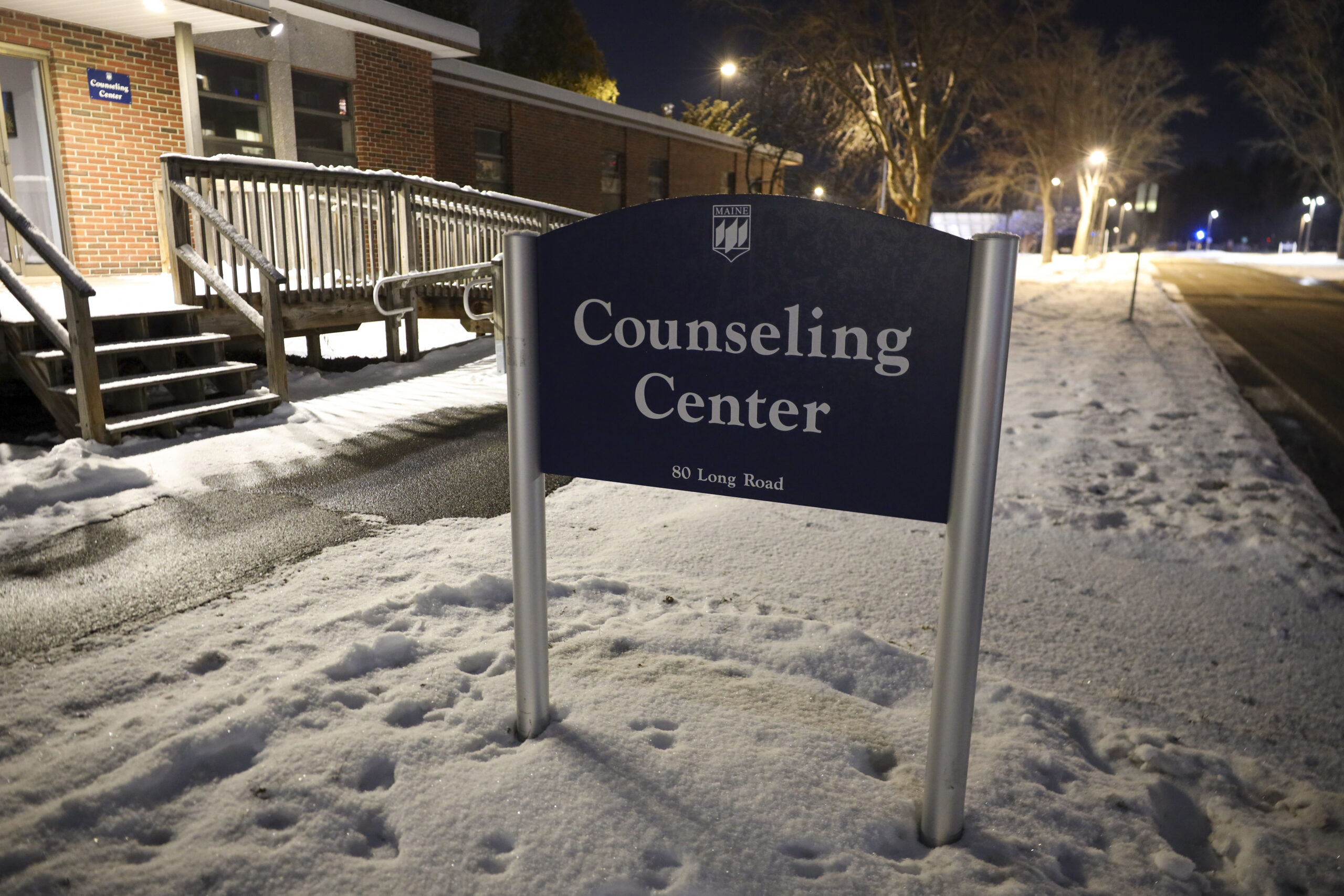
“At the counseling center we offer free therapy services for all students graduate and undergraduate. When I say therapy I mean everything from crisis appointments to substance abuse therapy,” Angela Fileccia, the director of the counseling center told Maine Campus. Their building is located on the Gannet side of the Cutler Health Center.
The lobby area is a welcoming, cozy room. To the right there is a space for meditation, to the right, coffee, tea and apple cider. In the center, comfy chairs that you can easily slouch down in.
“We do a lot more though, students in need of getting connected to, say, student accessibility services, or have a housing need, we can get them in contact with those people,” Fileccia explained how their number one priority is to help students. Even if they are not the ones equipped for the job, they have never turned anyone away or discouraged their reaching out. “Everything we do for students is free,” Fileccia concluded.
“We definitely see an ebb and flow throughout the school year in the reasons for students coming in to see us,” Fileccia explained, “around this time we see students struggling academically, having the winter blues and some stressed about the holidays.” Fileccia explained how some students will respond to the darker weather and increased stress by holing up in their rooms more as a way of coping.
In reality, the worst thing one can do for their mental health is to disrupt the routines they have created while at school.
“Our sleep-wake cycles adjust to the less light, so we are spending a lot of time in the dark. It’s cold so we stay inside a lot more. It feels comforting, but it all weighs you down and makes you feel like ‘I wanna do a little less.’ So people feel less like going to study or going out to see their friends,” Feliccia explained. In a time of year when the pressure is at a maximum, time away from studying and from social connections leaves you in the dark uncertainty of winter.
“We always make sure to get students connected to the academic support resources on campus — a lot of students don’t even know all of the resources available to them,” Fileccia commented. The one unifying factor in winter stress between students is the looming threat of finals. Very few students feel comfortable and relaxed with a huge portion of their grade at stake in the coming weeks. It can feel like everything is said and done and there is nothing to do from here. That is not the case. With the right contacts, students have access to a wide range of academic help all available through the Cutler Health Center.
“Depression — including seasonal depression — is very treatable. So if we can meet with students early on, we can really help them,” Fileccia explained, “If you notice changes in your behavior; not going to class, eating less, staying in bed longer— all of those can be signs. Just think, ‘maybe I should talk to somebody and try to make that better.’” Even if it seems like no big deal, or if you don’t see yourself as a depressed person, make some time for yourself, reach out and get a second opinion. Catching depression early is key to helping mitigate its effects.
“Making sure that you’re taking breaks is very important,” Fileccia added, “It’s not realistic to make our minds focus on the same thing for four hours.” In these last few stressful weeks, it can feel tempting to wake up and get everything done all at once. But none of us are machines, we cannot operate like that. Take some time to relax and stay in routine during this busy time of year.