OPINION: In Jan. 2026, President Donald Trump announced that the U.S. military had captured and arrested former Venezuelan President Nicolás Maduro and his wife, Cilia Flores.
Tied to a 2020 indictment from the U.S. Department of Justice, the couple was arrested and sent to New York, where they await trial on a multitude of counts, including narco-terrorism, weapons and drug trafficking charges.
U.S. special operations forces alongside law enforcement conducted Operation Absolute Resolve, consisting of large-scale air and naval strikes. With more than 150 military aircraft from across the Western Hemisphere, providing the cover for the ground team extraction, the United States was able to attack early in the morning, Jan. 3, and capture Maduro. There were no U.S. casualties.
This was a very meticulous operation. According to Air Force General Dan Caine, chairman of the Joint Chiefs of Staff, “Our interagency work began months ago and built on decades of experience integrating complex air, ground, space and maritime operations. … We watched, we waited, we prepared, we remained patient and professional. … This was an audacious operation that only the United States could do.”
This operation was a long time coming. Prior to U.S. involvement, Maduro was not seen as the legitimate leader of Venezuela by many countries, including the United States, Canada, the entire European Union and various South American countries, totaling over 50 nations that opposed.
However, Maduro’s capture means more than just U.S. success. This operation has and will continue to help Venezuela reindustrialize its country and support its citizens. At the time of Maduro’s capture, the streets were flooded with Venezuelans celebrating the news, celebrating what was to come, but mostly celebrating freedom.
As of now, the U.S. has its focus on Venezuelan oil. Working in tandem with Venezuela, the United States plans to orchestrate some big moves. With this newfound partnership, the United States can integrate some of its own companies onto Venezuelan soil. This, in turn, creates new jobs for Venezuelan citizens, boosting both economies simultaneously, all while combating foreign interests.
Put nicely by Meghan L. O’Sullivan, “Having more ‘U.S.-aligned’ oil on the global market could dilute the influence of OPEC and U.S. adversaries that might seek to influence oil markets in ways that run counter to U.S. interests.”
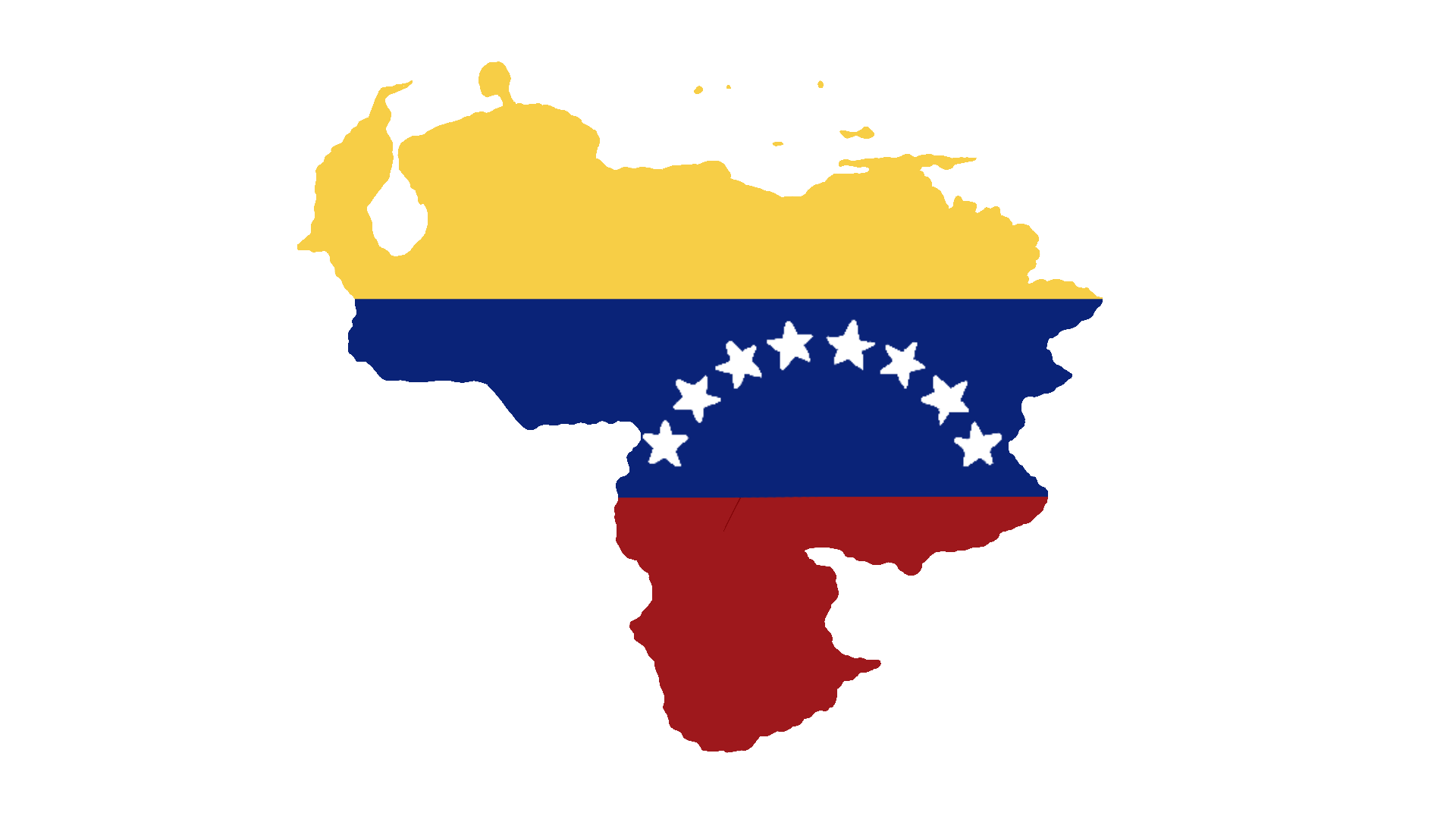
The country of Venezuela has the largest proven oil supply in the world, and the city of Limbo houses over 303 billion barrels on Earth. Prior to U.S. intervention, Venezuela exported most of its oil to U.S. adversaries like Iran, Russia and China.
That is over and there will be no more Venezuelan oil for our adversaries. As Sean Pruitt, President of Kingdom Exploration LLC, explains, “President Trump’s declaration that the U.S. will ‘run Venezuela’ until a safe transition can occur has created a power vacuum that simultaneously threatens near-term supply disruption while promising long-term production recovery. For sophisticated investors, this duality presents both significant risk and extraordinary opportunity.”
Post-Maduro capture, lawyer, diplomat and politician, Delcy Rodriguez has taken on the presidency. Since she was sworn in, she has done great things for her country ever since.
The capture of Maduro, followed by Rodriguez as the replacement, has also improved the quality of life for the ordinary Venezuelan citizen. As of this week, 350 political prisoners have been released from Venezuelan prisons since Operation Absolute Resolve.
Airlines have started to return to the country, including U.S. airliners. Prior to the capture, Venezuela was on a seven-year airline ban from the Federal Aviation Administration (FAA), however, with new leadership in place, this is no longer the case.
Things are really starting to look up for Venezuela.