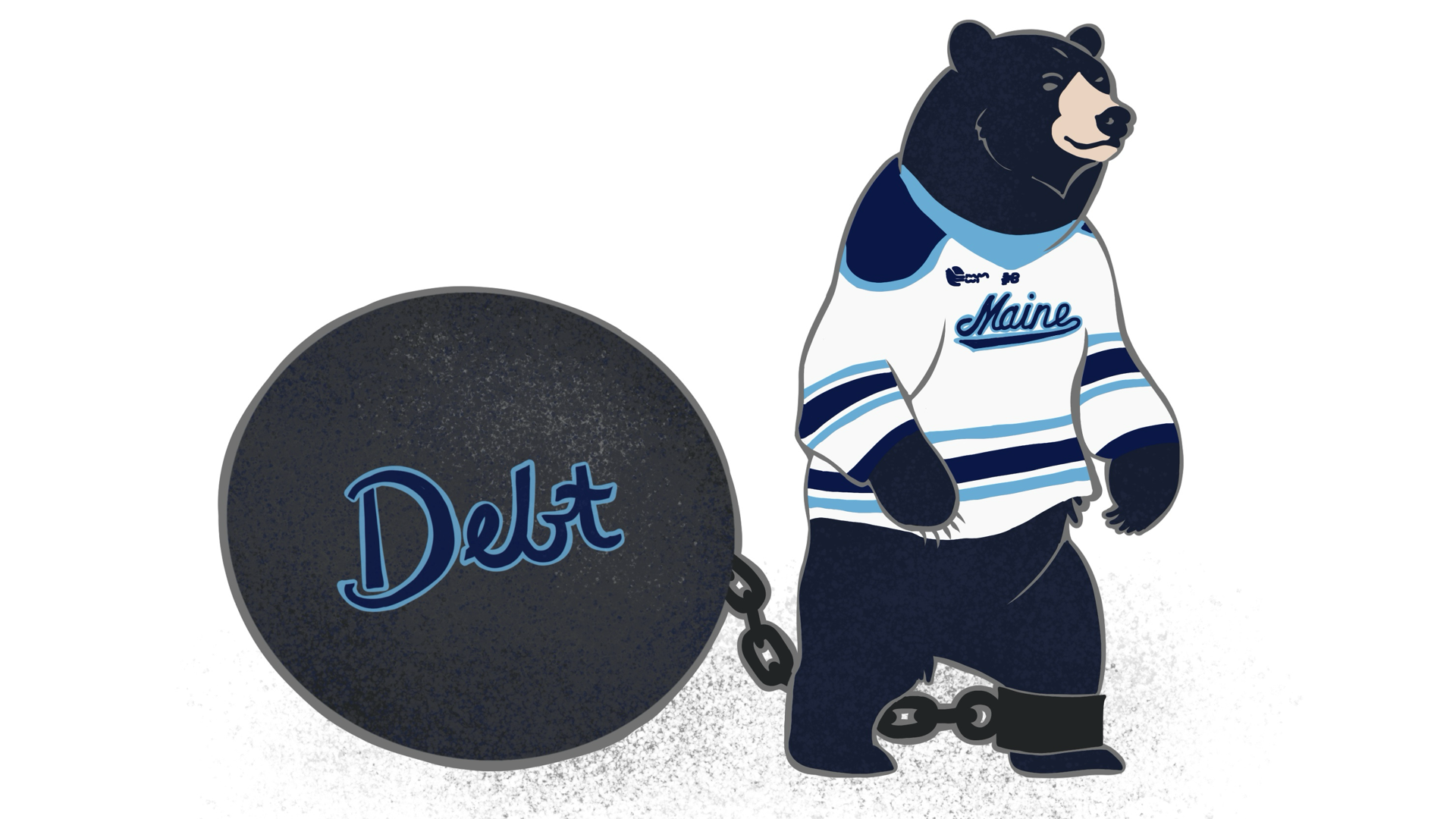
EDITORIAL: On March 4, the University of Maine held its annual State of the Union Address. Among a large swath of topics, it was revealed that the university had run an $18 million deficit this year and was planning to incur several austerity measures, which included departmental budget cuts and tuition increases while claiming to avoid, for the most part, any staff firings. Understandably, some students have begun to complain. It is reasonable to question why the campus was left in such a state and to fear which programs are going to be cut. However, it is important to remember that the college is a business of education first and foremost. These fiscal changes are necessary in order for the university to take responsibility for their non-educational spending, and to prove their commitment to teaching.
Now I must start by saying that the school has, so far as I can tell, taken good pre-planned steps to combat this deficit. Months before the issue was brought to public attention, they set in motion their plan to have each department submit a way to cut their costs by 7% going forward. That shows the campus is trying to preserve as much of the extra programs it has around. Moreover, you saw them avoid cutting as much administrative staff as possible, which also shows they have no real desire to drop whole units quickly. Rather, they have attempted to disperse the burden as evenly throughout the entire campus as possible to reduce the amount of actual loss the campus would see and hopefully cut nothing.
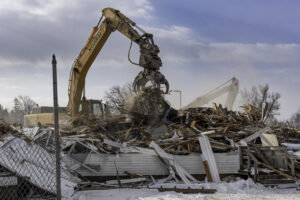
That all being said, my main issue is more with the general student view on this specific instance, but also the campus as a whole and how it works. There is always a push by students to have the campus do and provide more: more degrees, more facilities, better and more housing, more sports programs, higher-quality food, more, more, more. That is all well and good to ask for, to an extent. One also has to remember that it is not possible to do nearly any of it without money. Every new degree that asks for more teachers but does not bring in any new students is a loss of money. Programs added that benefit smaller and smaller groups of applicants become drains on the system (as we see even now with the Spanish and medical lab degree). After a certain point, if the university thinks it must continue to follow these demands and improve along thin margins, it starts having to defer maintenance and repairs on old buildings and leave behind older programs for newer ones. In truth, since hearing about the monetary issues, the Crossland Hall decision has begun to make much more sense.
A large part of the monetary issues have risen from a combination of federal shakiness as of late and declining student credit hours. I would say to both the university and the students that such things should be foreseen. Students are not endless, and money from the federal government is always tenuous. There should be a clear, constant drive to become the most cost-efficient educational center possible. Why? Because the university is first and foremost a business which provides an education and everything after that is and should be ancillary to it. Advancements are good on campus, but there should be a focus on monetary feasibility and constant cost efficiency first, otherwise those advancements become liabilities instead of improvements.
All of this should not be a surprise either. More than a lifetime experience, or an avenue to discover oneself or a place to hang out, UMaine is a place of business that must operate within its financial limits to educate students. By calling on the university to do more, and overextend itself, students fail to recognize the point of the institution and find themselves left with a situation like Crossland Hall, where financial constraints leave the university with very few choices. Worse yet, to let such malfeasances continue would compel even harsher cutbacks later. I believe for certain that these cutbacks and tuition increases are not only necessary but ultimately beneficial in preventing a far worse outcome. Ignoring that reality now does not stop the problem, it only ensures it returns in a much worse form later.