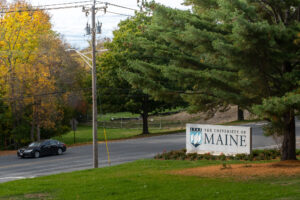
OPINION: It feels like winter is approaching Orono fast this year. Snow and ice will soon become part of daily life at the University of Maine, and winter accessibility can be treated as a matter of groundskeeping rather than part of ensuring students can access their university.
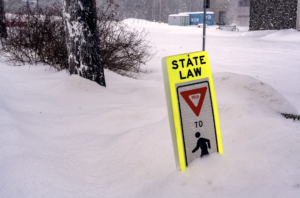
Snow removal is necessary to keep campus functioning, and it should be about more than clearing parking lots and making roads passable. We can have accessible buildings, designated parking spaces and accommodations available to students, but those resources mean little if the routes connecting them become difficult or unsafe to navigate. Accommodations only work when students can reach them. Providing an accessible classroom does not solve the problem if the sidewalk leading to it is impassable. A designated accessible parking space is less useful when the surrounding snow prevents someone from safely reaching the building.
For students with disabilities, winter weather can introduce barriers that others may not have to consider. An icy sidewalk can make independent travel difficult for someone with a mobility impairment. A poorly cleared entrance can make getting into a building an obstacle before class even starts. What we may see as simple seasonal inconveniences can actually interfere with students’ ability to attend class, access campus resources and participate in university life.
This issue doesn’t affect just students with disabilities. Nearly everyone who has spent a Maine winter walking across campus knows the experience of slipping on an icy sidewalk or struggling to navigate a snow-covered entrance. The difference is that not everyone faces the same consequences. For people like me, an icy walkway means an embarrassing fall and a bruised leg. For another student, it could mean a serious injury or the inability to access their classes independently.
Winter maintenance deserves to be approached with a broader perspective. When snow removal is viewed primarily as groundskeeping, the focus can easily fall on keeping roads and parking areas clear. Those are important responsibilities, but pedestrian access deserves deliberate attention too. Sidewalks, crosswalks, curb cuts, ramps and dorm entrances are not secondary features of campus infrastructure. They are essential connections between the places students need to go. A proactive winter accessibility plan could help make those connections safer and more reliable.
Of course, Maine weather is unpredictable, and it may not always be possible to clear every walkway immediately during or after a storm. The expectation shouldn’t be a perfectly cleared campus. It should be preparation and communication. When a pedestrian route can’t be cleared promptly, students should have access to information about conditions and safer alternatives. Clear communication allows students to plan ahead rather than discover that their usual route is unusable while already on their commute.
The conditions of our campus shape how students experience their education, and those conditions do not affect everyone equally. UMaine can’t control the weather, but it can take a more intentional approach to preparing for it. Winter accessibility should be treated as an essential part of campus planning rather than an item on a groundskeeping checklist.