Ahead of a project authorization request expected at an upcoming University of Maine Board of Trustees (BoT) meeting in April, members of the campus community are weighing environmental goals against historic preservation concerns tied to tentative renovation plans for UMaine’s Central Steam Plant. The proposed updates are part of the university’s UMaine Energy Center (UMEC) project, which remains in the planning stages and aims to modernize campus heating infrastructure while still advancing the university’s climate action goals.
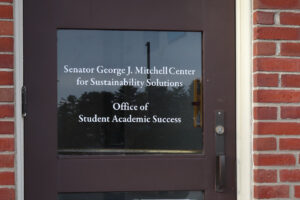
The state of Maine has always maintained a high ranking for being one of the safest places to live in the United States and as a state has led many significant environmental initiatives in recent years. The University of Maine often contributes towards environmental solutions. Popular green campus initiatives, such as hosting food recovery and zero waste events in partnership with UMaine Dining, have been made possible through the Sen. George J. Mitchell Center of Sustainability Solutions, which was founded to improve protections for the environment by linking different fields of knowledge to solve these challenges.
Alongside these university initiatives, the historic buildings and architecture are a key marker that distinguishes the unique landscape design central to UMaine’s heritage. According to historic assessment the preservation of these buildings are important to the prestige of the campus. In 1978, the National Register of Historic Places officially designated part of the UMaine campus as a Historic District, essentially protecting and recognizing its historical and architectural importance.
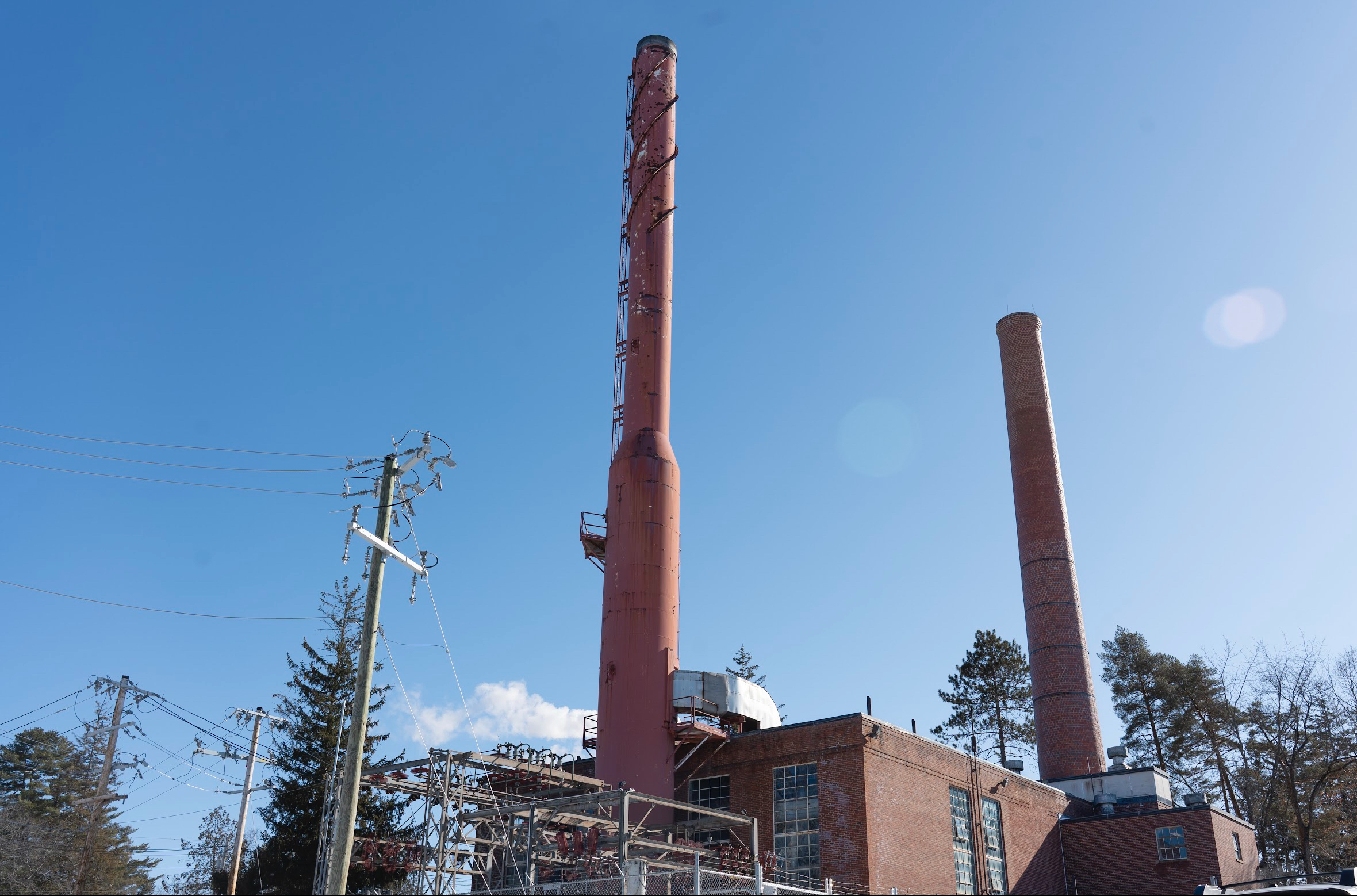
The existing Central Steam Plant was built in 1906 and provides heating service to 90% of the Orono campus. According to the University of Maine Energy Center Project, it provides 4.7 miles of steam distribution and has about 119 steam pits. Currently there are two natural gas-fired boilers and a third oil-fired boiler is kept on “standby mode” as a backup.
The UMaine Energy Center (UMEC) project is an addition to the Central Steam Plant and addresses the renewal of infrastructure. With four clear goals targeting reliability, renewable energy and low and stable cost. This project is part of the University’s Climate Action Plan updated in 2021 that will aim to have buildings run more efficiently. UMEC is expected to have 100% renewable energy capacity and will help UMaine achieve its carbon neutrality by 2040.
Efforts to follow through with the designed steam plant proposal are still in the planning stages. The university acknowledges that there are multiple sides to consider and has been actively working on development strategies to execute this project. UMaine plans to seek the BoT’s authorization this spring to advance the UMEC project, with the project’s first review by the board likely in April. Pending the full BoT authorization, renovations on the site could begin in 2027.
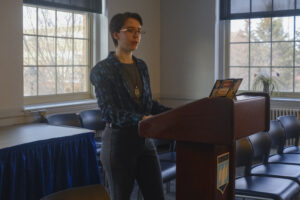
Conversations about environmental and historical aspects of this renovation have created rising concerns among faculty and students. Dr. Katharine Ruskin is a senior lecturer and undergraduate coordinator in Ecology and Environmental Sciences. Ruskin’s primary area of research surrounds conservation amidst global change and she uses field-collected data to educate the public about environmental science. This week she spoke to the Maine Campus regarding her thoughts on the environmental implications of the current steam plant.
“I bring my first year class to the steam plant and it surprises most UMaine undergraduates how much energy and pollution emitted is responsible for the greenhouse gases,” Ruskin said.“I appreciate the historical aspects of the steam plant, but I care more about the pollution that is being emitted. I think it is a clear answer that modernizing the steam plant one way or another is a step towards reducing our environmental impact.”
During the interview, Ruskin suggested that the university should consider what other college institutions around the state of Maine are doing to address the environmental issue. She mentioned that there are multiple resources across the different colleges at the university and collaboration to achieve a solution would be impactful.
Ruskin mentioned collaborative renewable energy efforts on campus as an example, such as the installation of solar panels. While she recognizes that the installation could bring risks and be expensive to maintain, she believes that it is important to invest in long-term solutions for our environment.
“I really do think we have the capacity to bring things together,” said Ruskin.
Students were also interviewed to share their perspective. Jesse Bouchard, a first-year history major, provided his input on balancing historic preservation with sustainability efforts.
“The first thing you need to do is determine whether or not there is something that is worth preserving if there is any real significance to it,” said Bouchard. “They can begin with some exterior or internal renovations or take some of the historical parts away but it’s still hard to do anything cost effectively.”
When asked what approach may be best to balancing both environmental and historic concerns for the future, Bouchard also commented on the values of the university and the responsibilities that come with embracing innovation as a leading research institute in the state.
Bouchard also commented on the university’s responsibility to embrace innovation as a leading research institute in the state.
“The University of Maine is an R1 university and I think part of that is also innovation and change especially if UMaine wants to continue to be an energy efficient and sustainable institution” said Bouchard.
Many students and faculty believe that the university needs to address concerns tied to environmental sustainability and historic preservation to truly continue to embody the prestige of an R1 and environmentally led institution. With the research and innovation that UMaine is currently working on, developing a balanced sustainable common ground solution that encompasses the past and future, will be difficult. Yet many believe it is crucial to incorporate these aspects and continue to maintain informed communication to promote transparency throughout the university community.