Opioid use has become a growing concern in Maine. In February alone, there were 554 fatal and nonfatal overdoses across the state, according to a 2026 report by Maine Drug Data Hub. Of the nonfatal overdoses reported from December 2025 to February 2026, people aged 18 to 34 make up 26%. During that same time period, people aged 18 to 34 made up about 12% of fatal overdoses. Marcella Sorg, a research professor within the Department of Anthropology, provided some data about opioid use in Maine.
Sorg’s research focuses on forensic anthropology, especially drug-related deaths within the state of Maine. She directs the Margaret Chase Smith Policy Center’s Rural Drug and Alcohol Research Program. Sorg provided more details on data gathered by the Maine Drug Data Hub and what factors influence overdose reporting.
“[The age group most affected by overdose] changed recently, so it’s mostly the middle years, starting with age 25 and going up to 55,” said Sorg. She added, “Most nonfatal overdose reversals are private, so we don’t have data on those, we don’t have age or sex data on those.”
According to Sorg, opioid overdoses peaked during the COVID-19 pandemic, with fatalities numbering around 700 per year. According to various 2021 monthly reports from the Maine Drug Data Hub, there were 643 fatal overdoses in 2021. Nonfatal overdoses numbered in the thousands during that time period. This peak mirrors a general trend throughout the pandemic where individuals struggled with mental health, with the National Institute on Drug Abuse citing social isolation and increased stress as the primary factors involved in increased drug use.
“We see that the number of overdoses has decreased across the country [since then]… but the number of overdoses is still very, very high.”
Sorg added that when she started tracking overdose fatalities with the Medical Examiner’s office in 1997, there were 34 deaths for the entire year. By contrast, this year there were 33 deaths in February alone.
Although Sorg is not involved with any campus overdose prevention organizations, she offered insight into effective prevention strategies.
“I think the ability to have access to overdose-reversing medications, like naloxone, I think that’s important. I think having access to a wide range of treatment options is critical. I think that interdiction to stop the flow of lethal drugs into the state is critical,” said Sorg. “So, there’s a range of actions that I think are necessary and important together to stop overdose and to stop the deaths from overdose.”
University Volunteer Ambulance Corp (UVAC) Assistant Chief of Training, Ethan Hallett, clarified in a March 2025 interview that UVAC responded to several overdoses on campus.
“During holidays, such as Halloweekend, St. Patrick’s Day and other times when social gatherings are numerous in and around campus is when we see an uptick in overdoses. Typically during the normal week, we see more around the Thursday, Friday, Saturday night as compared to the rest of the week,” wrote Hallett in the email. He added that the most common substance used on campus was alcohol, but that UVAC was also aware of the presence of other drugs.
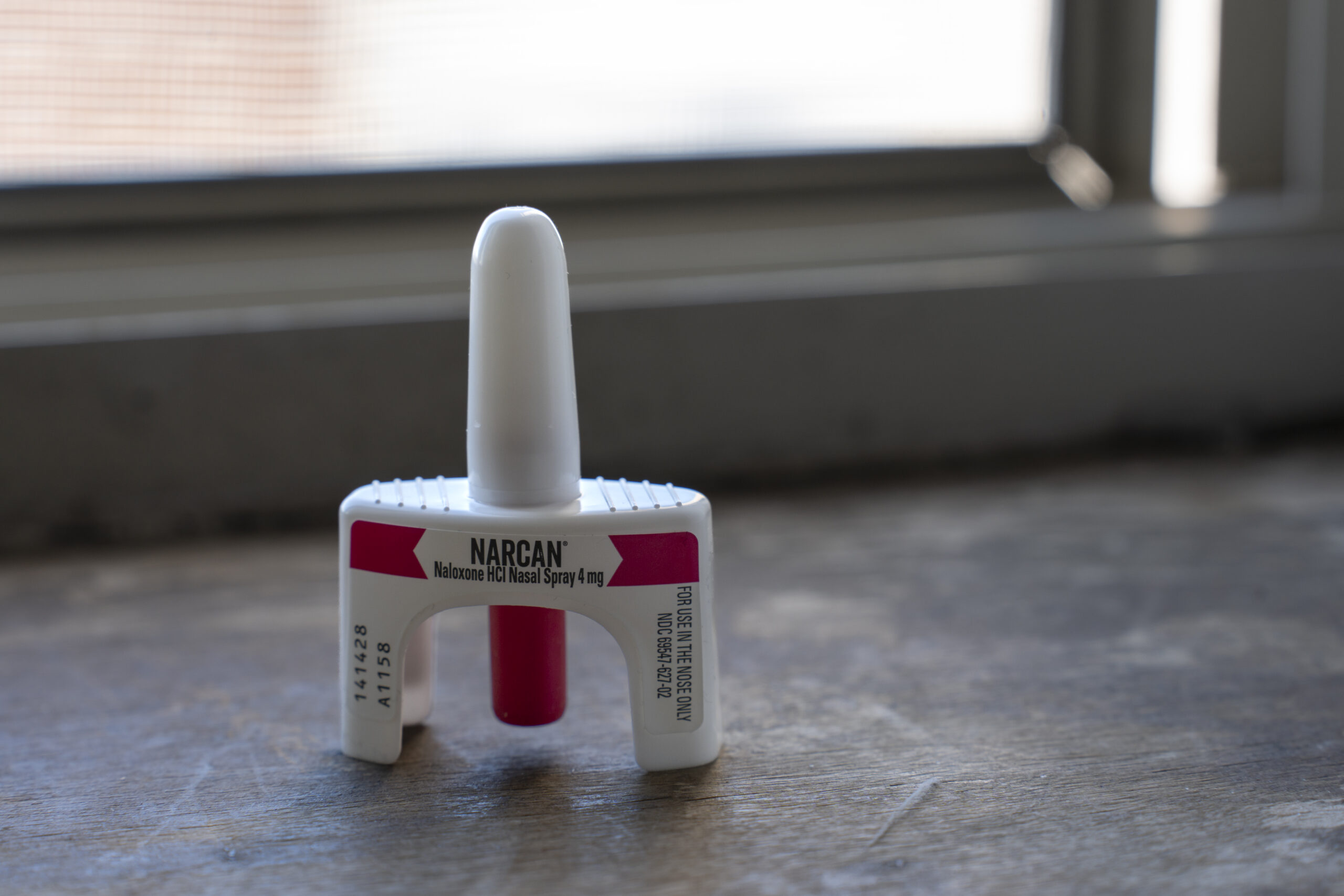
In the event of an opioid overdose, rescue breathing and Narcan should be administered immediately. Narcan is available for free statewide. Additionally, University of Maine Students for the Awareness and Prevention of Overdose (SAPO) provide education on overdoses as well as free Narcan. Local organizations such as Needlepoint Sanctuary also provide treatment services for those experiencing an opioid addiction, as well as training and events for the community, including lectures for UMaine students and faculty.