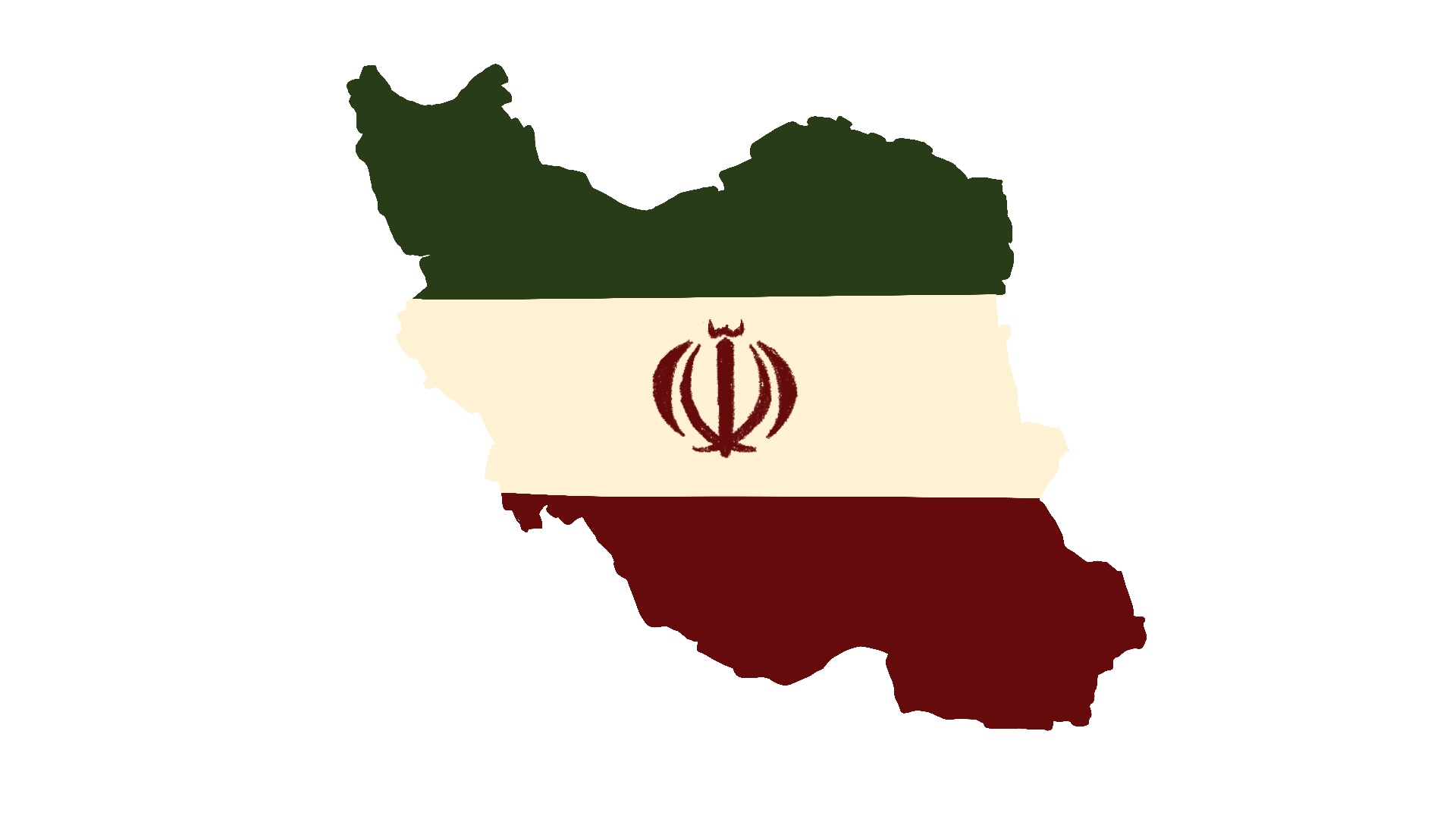
OPINION: On June 22, 2025, the United States military executed Operation Midnight Hammer, the first recorded direct U.S. strike on Iranian territory in history. This mission was executed on three pivotal Iranian nuclear sites: The Fordow Uranium Enrichment Plant, Natanz Nuclear Facility, and Isfahan Nuclear Technology Center.
According to PBS, these strikes were executed with B-2 Spirit Stealth bombers dropping “GBU-57 ’bunker buster’ bombs” while our submarines launched Tomahawk missiles. Chairman of the Joint Chiefs of staff, Dan “Razin” Cain noted from the White House, that we ultimately caused “extremely severe damage and destruction,” to the country’s nuclear facilities.
One of the biggest factors in this conflict can be attributed to Iran’s refusal to suspend the enrichment of their uranium. Prior to U.S. intervention, the International Atomic Energy Agency (IAEA) reported Iran had approximately 972 pounds of 60% highly enriched uranium back in May 2025. This report indicated that Iran had nearly doubled their uranium stockpile in a matter of three months. Through further enrichment they could have created 972 pounds of 90% (weapons grade) enriched uranium. At this caliber of enrichment, their uranium stockpile had the potential to create nine to twelve nuclear weapons within weeks.
Noting how close Iran was getting to achieving nuclear weapons, this was necessary. The fact that Iran could hit the red button at any moment would cause immeasurable damage to the world. You want to talk about a second cold war, well here you go. Currently nine countries have nuclear weapons including Russia, The U.S., China, France, The U.K., Pakistan, India, Israel and North Korea. If every country, especially the hostile ones, can manufacture nuclear weapons, it could truly fuel another global war.
Fortunately for the rest of the world, our strikes on Natanz, Fordow and Isfahan put Iran back an estimated two full years in nuclear production.
This was a long time coming, too. If you think it was spontaneous, you’d be wrong. Diplomacy has been degrading significantly ever since the U.S. withdrew from the Joint Comprehensive Plan of Action back in May of 2018 according to Congress.
In response to the attack last June, according to Aljazeera, “Iran’s Foreign Minister Abbas Araghchi has condemned the US military attack on Iran’s nuclear facilities, calling it an “outrageous, grave and unprecedented violation” of international law. He accused the Trump administration of colluding with Israel to breach Iran’s sovereignty, and vowed Tehran would defend its territory “by all means necessary” and retaliated with a missile strike of their own on the U.S. operated Al Udeid Air Base in Qatar. Fortunately, Iran’s retaliation was intercepted and delayed any furthering of a full-scale conflict, but not for long.
While U.S. presence in the region continues to grow, stationing refueling tankers, cargo planes, fighter jets, warships and even the USS Abraham Lincoln aircraft carrier in the region, on Feb. 17, the same day Iranian officials met in Geneva, the country announced the parts of the Hormuz Strait would be closed to allow for live-fire exercises conducted by the Iranian military. PBS mentioned that “Iran announced the temporary closure of the Strait of Hormuz on Tuesday for live fire drills in a rare show of force as its negotiators held another round of indirect talks with the United States over the Islamic Republic’s disputed nuclear program.”
If Iran were to close off the route entirely, it would spell disaster for the commercial shipping industry. The Strait of Hormuz is the only sea passage from the Persian Gulf to the Indian Ocean and a key trade route for a multitude of countries.
According to the Guardian, “Iran’s foreign minister, Abbas Araghchi, said after the talks “agreement was reached on general guiding principles,” and added, “The atmosphere in this round of negotiations was more constructive. Good progress had been made in comparison with the first meeting.”
Even though both sides indicated some progress during negotiations to make sure there is no direct war, the stakes are increasingly getting higher. While negotiations are still in the works, both nations are engaging in significant military posturing with Aljazeera explaining, “The White House says “all options remain on the table” for the United States to take military action against Iran.”.
As most people are aware, negotiations haven’t proven to work so well. Conflict hasn’t stopped and it’s only gotten closer and closer to all out war.
On Feb. 28, the United States and Israel struck Iran again, this time killing their supreme leader, Ayatollah Ali Khamenei. As CBS explained, “President Donald Trump announced on Truth Social that Iran’s supreme leader, Ayatollah Ali Khamenei, was killed Saturday after the U.S. and Israel launched a predawn assault on the country. Iranian state media later confirmed his death.”
As Fortune noted, “Capital Alpha Partners analyst Byron Callan said in a note on Thursday. “We have 25% confidence that it’s concluded by the end of May, 45% that it’s settled in the fall of 2026, and 35% that it extends into 2027.”
The way things are looking right now, hostilities are going to become even more unpredictable and prolonged.