Fifty years after playing on the national stage, the 1976 University of Maine baseball team received one of the program’s highest honors. Alongside basketball standout Blanca Millan and hockey champion Cory Larose, the team was inducted into the UMaine Sports Hall of Fame on Oct. 16, celebrating decades of achievement across three different sports.
The three inductees represent different eras of Black Bear athletics, but they all share a determination to compete at the highest level and leave a lasting impact on the university.
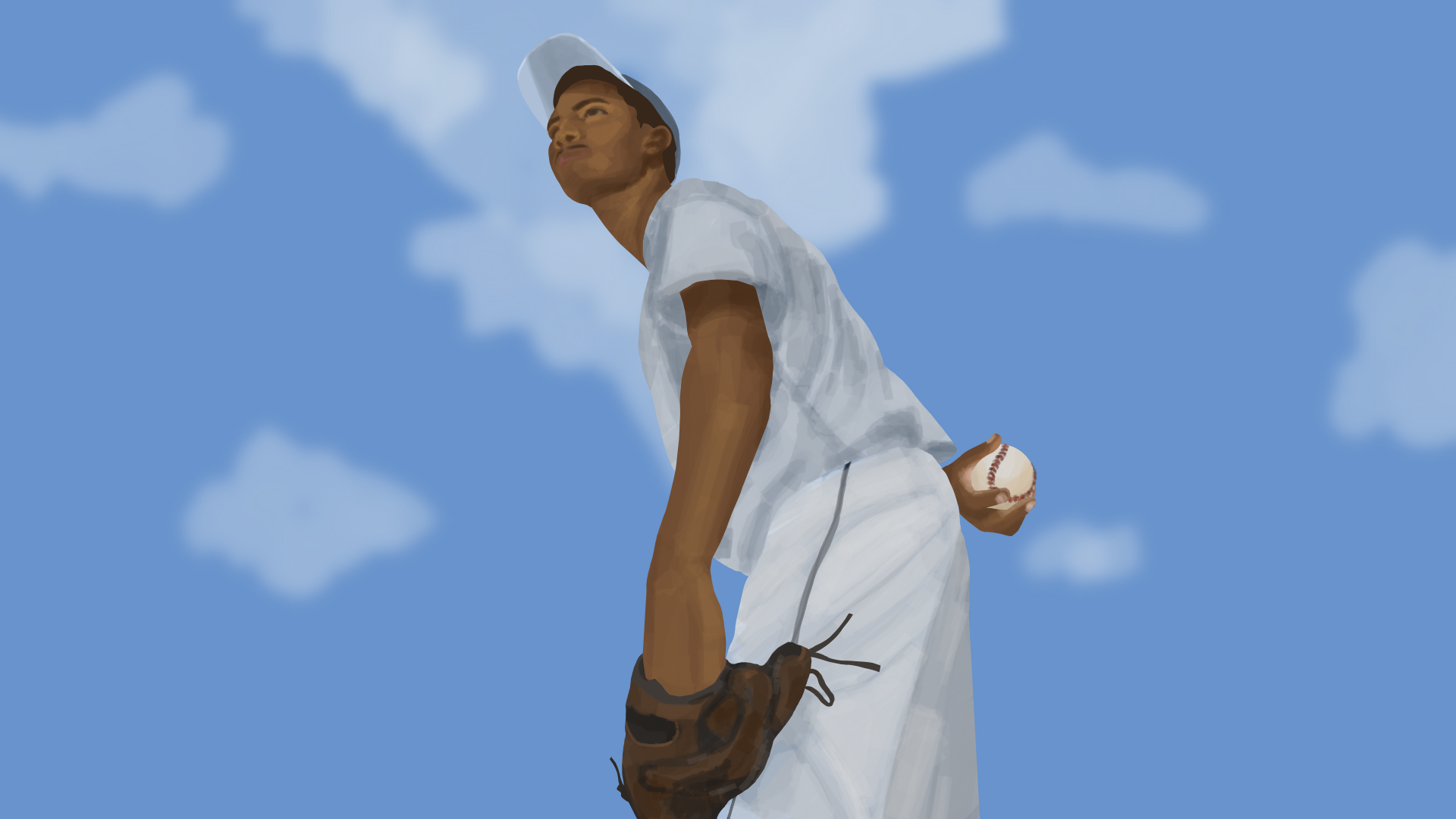
The 1976 baseball team established itself as one of the most successful squads in UMaine history, finishing the season with a 29-9 record and earning a trip to the College World Series in Omaha, Nebraska.
Led by head coach John Winkin, the Black Bears won the Yankee Conference and Eastern Collegiate Athletic Conference titles before sweeping through the NCAA Northeast Regional. The team won seven consecutive postseason games to secure its place among the nation’s top college baseball programs.
Maine continued its impressive run in Omaha. After dropping its opening game to Eastern Michigan University, the Black Bears bounced back with a dramatic 9-8 victory over Auburn University and followed it with a 6-3 win against Washington State. Their run ended against Arizona State University, but the team had already cemented its place in program history.
Pitcher Bert Roberge was a key contributor, finishing the season with a 9-2 record, a 2.06 earned run average and 60 strikeouts in his senior season. Tony DiBiase, an all-conference first baseman that year, led the offense with a .339 batting average. Jack Leggett and John Dumont also played major roles in the team’s success, both having the program’s highest career hits at 104.
The team achieved more than just a winning record and accolades. Its success helped establish UMaine as a nationally competitive baseball program and set the foundation for future teams. Winkin went on to bring six more teams to the College World Series, further strengthening his legacy at the university.
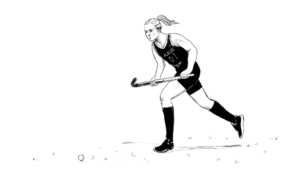
Blanca Millan brought a different kind of excellence to UMaine, becoming one of the most accomplished players in the history of the women’s basketball program.
A three-time All-America East first-team selection, Millan finished her college career with 1,974 points and 324 steals. Her ability to score while disrupting opposing offenses made her one of the conference’s most difficult players to defend.
Millan made history by becoming the first player in America East women’s basketball history to earn both Player of the Year and Defensive Player of the Year honors twice. She helped lead the Black Bears to America East championships and NCAA Tournament appearances in 2018 and 2019.
Millan helped set the standard for the program, showing how high-level defense and offense combine to achieve success. Her induction honors a career that strengthened UMaine women’s basketball and established a lasting legacy for generations of players to follow.
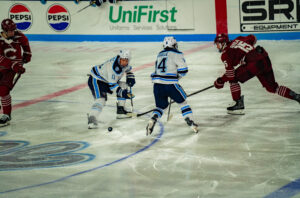
For Cory Larose, the defining moment of his UMaine career came on college hockey’s biggest stage.
Larose was a member of the 1998-99 Black Bears team that captured the NCAA Division I national championship. Maine defeated New Hampshire 3-2 in overtime, completing a memorable championship run and securing its second national title.
Larose was a key player throughout his time at Maine. In 1999-2000, he led Maine with 36 assists and 51 points, earning first-team All-Hockey East recognition and second-team All-American honors. He finished his college career with 180 points, including 61 goals and 119 assists.
After graduating, Larose played professional hockey before moving to the athletic footwear industry. He worked for companies including Nike, Reebok and Saucony. His success demonstrates how the skills developed through college athletics can translate into success beyond competition.
The induction of the 1976 baseball team, Millan and Larose highlights UMaine’s long-lasting athletic excellence. From a historic run in Omaha to dominance on the basketball court and a national championship on the ice, each story shows the commitment required to compete and succeed.
Their induction is more than a celebration; it is a reminder of the athletes who helped shape the Black Bear identity and the legacy that future generations will continue to build.