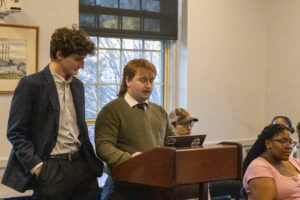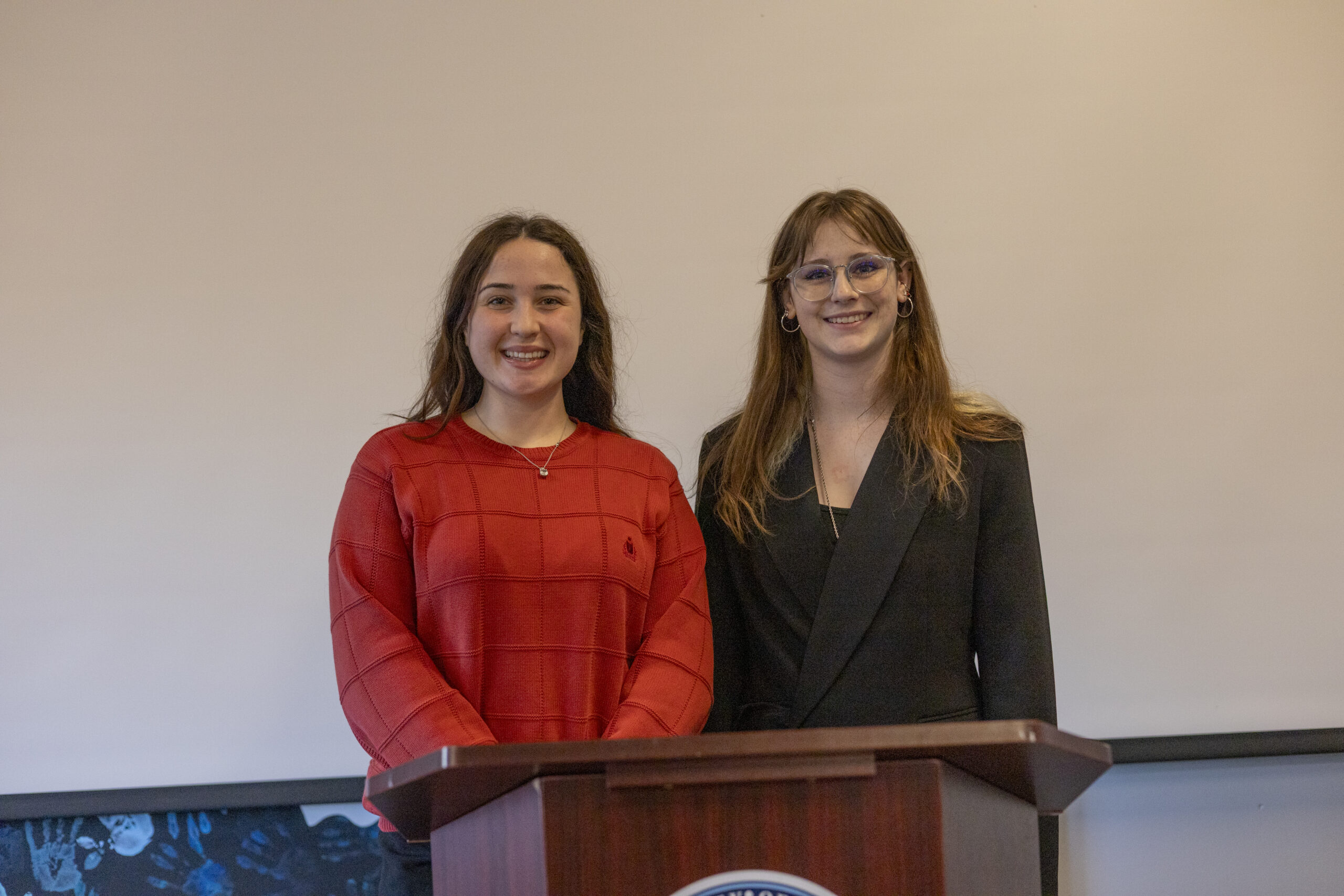
EDITORIAL: Recently the University of Maine student government held its election for president and vice president in a race that featured two candidates: Cynthia Shelmerdine and Hazel Sparks. These candidates shared a joint ticket in which Shelmerdine ran for president and Sparks for vice president, both unopposed. While such an outcome is not inherently improper, an election without competition nevertheless raises questions about how meaningful the process can be for the students it is meant to represent.
Neither Shelmerdine nor Sparks should be blamed for the fact that their candidacy did not face a challenger. Last year, there was an unopposed election as well in which current President Tripp and then–vice presidential candidate Shelmerdine enjoyed the same guaranteed win that we see today. While two such elections in a row may not appear particularly alarming on their own, patterns often begin quietly before they become expectations. Shelmerdine, with no offense intended, has not faced a traditional election in her rise to vice president and now to president. This suggests the present system may deserve closer attention before a third such election occurs.
Elections hold value because they allow students to engage and take real stakes in student government, even if many are too busy balancing work, classes and other responsibilities to closely follow its day-to-day workings. The purpose of electing representatives is largely to allow students to delegate those responsibilities to others willing to take them on, but that delegation only works when the process through which those representatives are chosen is meaningful. Presidential elections tend to attract the most attention and draw the greatest number of voters, and when the office most likely to generate participation is decided without any contest at all, the result is fewer opportunities for engagement.
It is important to recognize that the candidates themselves are not responsible for the absence of competition in this race, but the situation raises broader questions about the precedent that may be developing. If the presidency begins to be seen as a natural promotion from vice president, future candidates may become reluctant to challenge that expectation. If the vice presidential position itself becomes informally reserved for the next likely successor, the selection of leadership risks drifting away from open elections and toward quieter internal agreement. Such a dynamic would encourage decisions to be shaped more by internal support among senators than by open competition for the support of the student body. If the difficulty of the position discourages candidates from running, then the responsibilities attached to it may need reconsideration so they remain manageable for students who must balance academic and personal obligations.
Elections also tend to produce stronger candidates as ideas become clearer when tested against competing viewpoints rather than presented without challenge. Prompts often associated with uncontested campaigns, such as asking candidates simply to explain what they plan to do, rarely place those ideas under meaningful scrutiny. When multiple candidates participate in a race, they highlight different priorities and approaches, allowing voters to see the strengths and weaknesses of each position. Last year, the student activity fee was raised, and while the proposal may have had its merits, the fact that only one candidate ran for president meant that the individual most associated with the election had largely been presenting the benefits of that change without a competing perspective. Had another candidate argued for restructuring existing finances or suggested a smaller increase, students would have had an earlier opportunity to weigh those alternatives before the final decision was made
An election with only one candidate is difficult to treat as a genuine election because elections give representative institutions their legitimacy in the first place. If the university student government wishes to maintain its claim to represent the student body, it must ensure that the system encourages more than automatic victories. It may not be possible to compel individuals to run for office, but it is possible to reconsider the structures and incentives that shape whether students feel willing to do so. Each year that passes with an uncontested election risks reinforcing the perception that competition is unnecessary. While there is nothing improper about Shelmerdine winning an election in which she faced no challenger, the broader question of how to restore meaningful competition will now fall to the administration she is about to lead.