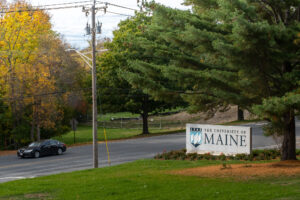
OPINION: This week, the University of Maine announced a series of faculty and staff cuts to occur in the face of a $19 million budget deficit. In the wake of this news, many students, faculty and community members are taking a more critical eye to the operations and expenditures of the university. In the deluge of campus projects developed over the last few years, one large investment that has recently come under judgment is the Hotel Ursa.
Located in the center of campus right beside Lord Hall, UMaine’s on-campus hotel was built as a renovation project. The historic Coburn and Holmes Halls were turned into a public-private business venture with Radnor Property Group. The university also built the new Polaris Hall to create the three-building hotel with 95 guest rooms.
Ursa offers the architectural splendor of the Romanesque Revival movement, the lounges and cafe all exhibit a degree of vintage elegance and from the outside the hotel at large seems like a good inclusion in the UMaine campus. Yet, this Romanesque investment has already proven to be a burden the university may be unable to bear.
In the creation of this privately run hotel, the university agreed to cover potential financial shortcomings, to the chagrin of investors. Since opening in March 2024, the facility has managed to generate $1.5 million in debt to be paid for by UMaine. In an attempt to recoup from this loss, the university has decided to rent roughly half of the hotel rooms from Radnor Property Group, in order to create additional student housing. This decision still only alleviates some of the financial burden, as student housing will generate roughly $500,000 a year, while the lease will cost UMaine $1 million annually.
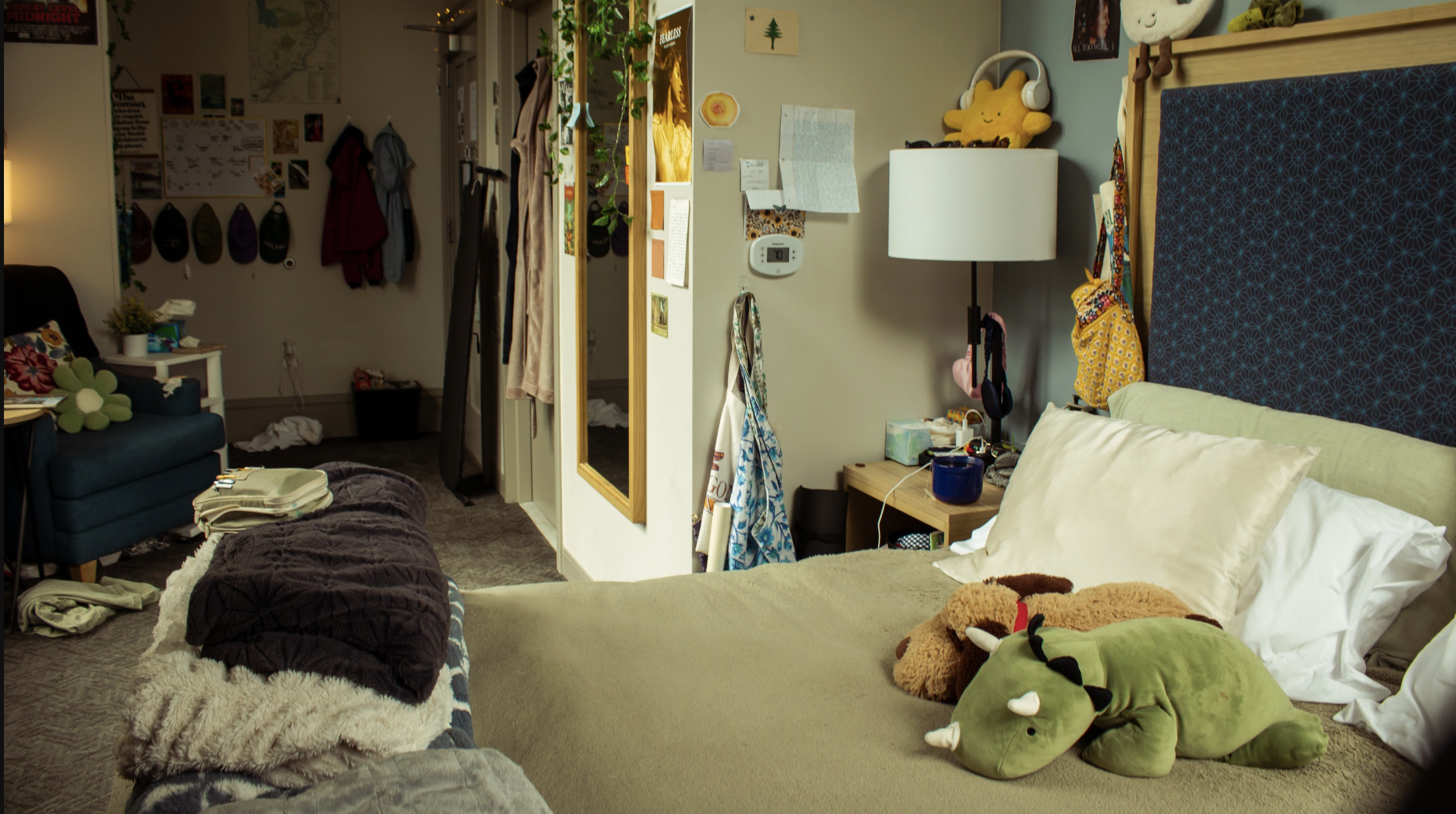
Students living in these converted hotel rooms are granted amenities and a degree of dormitory glamour otherwise not offered to the layperson on campus. When I visited Holmes Hall for this story, I had the same sensation one might experience in the model kitchens of a hardware store. Everything was too orderly. I couldn’t imagine the study lounge hosting burnt-out students during midterms, nor did the beautiful live edge wooden tables of the MajorMinor cafe seem fit for the mediocre refreshments provided by Sodexo.
The feeling I got from Hotel Ursa was that it was a facility built more for marketing and prestige than practical necessity. The astrology naming convention and constellation posters felt devoid of character; the decor and furnishings seemed as though they had been ripped straight from an overpriced hotel in Bar Harbor.
These statements may seem an overly negative description of what is an objectively beautiful facility, but my qualms come from a place of admiration of the character which embodies the UMaine campus. When I walk through the mall, I feel a connection with the history of the university; the red bricks resound with a dull veneer, polished upon the surface of the buildings after decades of freezing winters and gentle summers. I can imagine students rushing to class and admiring these same bricks a hundred years ago. The buildings of UMaine have a classically New England sense of being lived in, and I think that in converting two of the university’s historic halls into a privately owned and privately run hotel, we have betrayed that character which is so dear to our identity.
The Hotel Ursa is not only a financial burden, but one has to look no further than the front lobby to feel a sense of otherness in its presence. Its existence does not provide any meaningful benefit to the majority of students on campus, and its failure to generate revenue has actively harmed the university. All that being said, the study lounge is a massively underrated spot to sit and read on campus.