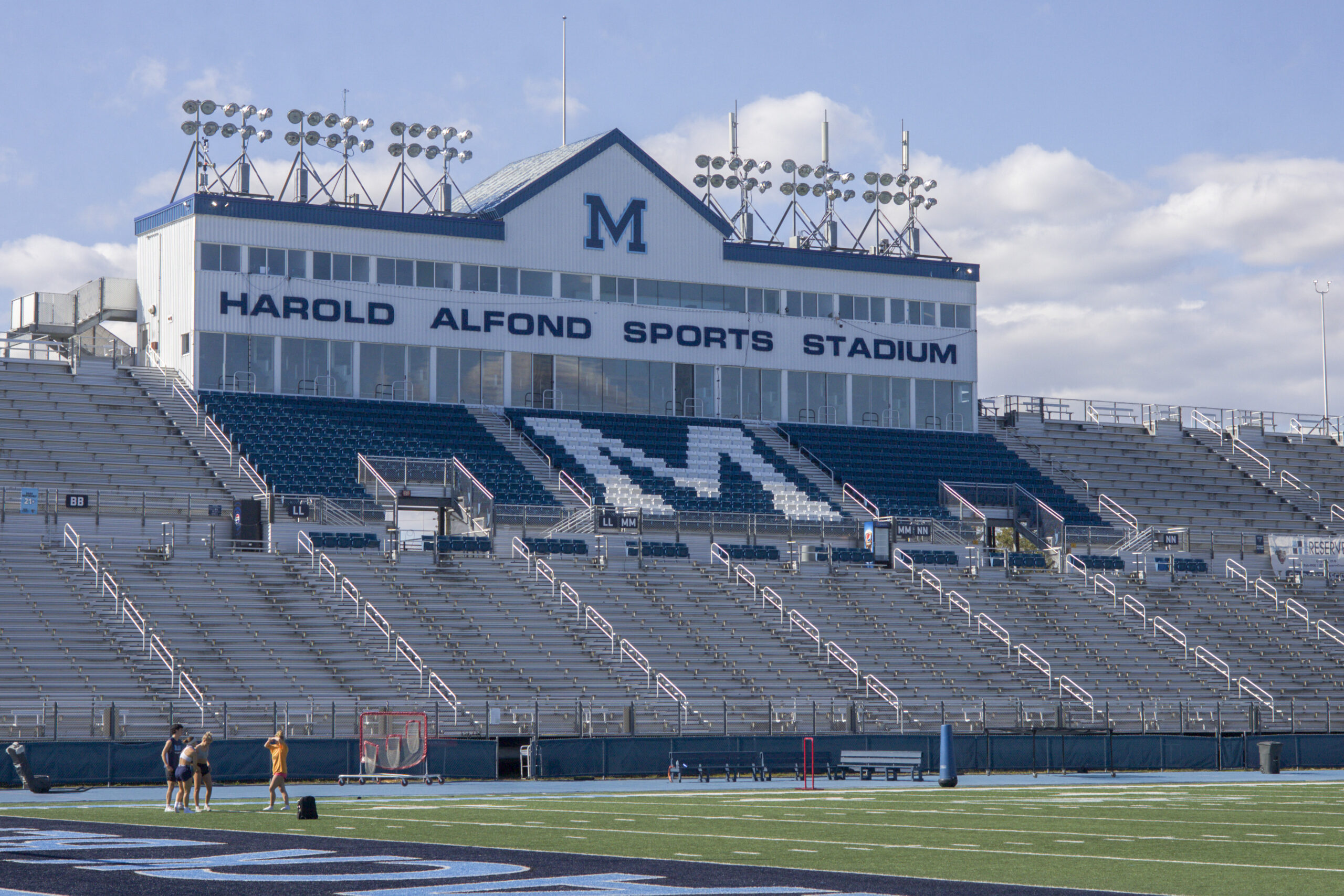
In a recent press release and conference, the University of Maine’s Athletic Director, Jude Killy, announced UMaine’s plan to opt in to pay student athletes through name, image and likeness. This follows a major trend throughout the country, with most Division 1 schools already a few years into their own NIL programs.
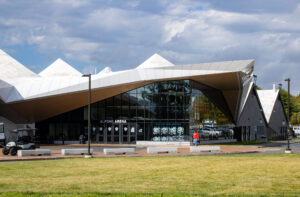
The Black Bear Student-Athlete Experience Fund is the latest domino to fall in the university’s plan to revolutionize the athletics department. Alongside major construction renovations and the assembly of a completely new arena, Maine is pushing to create an environment that hopes to bring pride to the state’s only Division I program.
“What we are trying to do is modernize our athletic department in a way that keeps us competitive in the Division I landscape.”
The launch of the program will certainly help that ambition. Being able to compensate players will help solve a problem that UMaine athletics has struggled with every semester, losing athletes and recruitment battles in the transfer portal.
You may ask, where is the money coming from? There would certainly be backlash from the student body and state if the money was coming from taxpayers or higher tuition costs. When asked at the press conference, Killy responded “These are private and philanthropic dollars. We aren’t using tuition, these aren’t state funded dollars, not tax payer dollars … Frankly, the more we can publicise the account we have out there, and ways to support it, the better.”
This account Killy is referencing is the fund itself. Donors can give money to the university for the athletic department to use at their discretion, or alternatively they can donate to one team specifically.
As for our athletes, this has been a long time coming.
Prior to UMaine’s inclusion, over 300 Division I schools have opted into paying their student athletes, which puts Maine behind the curve. Maine athletes work just as hard, and often have to travel to play against teams who have thousands of dollars
invested into their rosters. Our athletes have felt this has been deserved for quite some time.
Outside of the donations, there are other ways to support the athletes, such as merchandise.
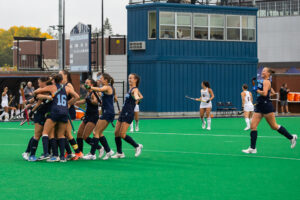
I sat down with Amanda Clauzel, who plays for UMaine Women’s Soccer. We dove into what kind of opportunities the new fund would bring her and her teammates.
“I think NIL in general is a really good concept, we work hard, so it feels great that we are getting rewarded.” As for the specifics of what would make the team money outside of donations, she explained “It’s mostly just gear, so for example, we have shorts with our numbers on it that you can buy … there’s jerseys, shorts, socks and jackets out there.”
Alongside the fund and merchandise, the school also promoted the Bear Down collective, the official collective of UMaine athletics. This program offers membership tiers that each offer increasingly exclusive benefits.
Van Wagner, a company that specializes in helping students find opportunities in sponsorship packages, will also provide students with potential NIL money. They will allow student athletes to partner with companies as official sponsors, as well as help host events that involve fans, such as exclusive signing events.
The addition of these avenues to compensate student athletes should help the effort to build an athletic force in New England, a goal the university has had for a long time.
Money going to players for recruitment efforts is not the only part of this deal that will help our teams. The fundraising will also benefit travel and academic endeavors, providing student athletes with quicker travel plans and opening up more time and energy for their school work.
The athletic director had this to say on how students will benefit from this program away from the bank account; “These are students first. Your degree is the single most important thing you’re going to walk away with from here after earning it. Eight hours in a bus versus two hours in a plane, that does maximize your time in a different way. Not just for your sleep and recovery for your performance athletically, but also your time academically.”
Killy made sure to stress that the university is figuring this out as it goes, and as NCAA rules evolve, adaptations will be coming. The ultimate goal for the university is to compete at a high level on the Division I landscape, and by introducing these programs, it gives UMaine the best shot at doing so.
Killy ended the press conference with a closing statement regarding the future plans of the athletic department.
“We’re sitting here today and I’m sure in three months, or in six months we’ll be having an enhanced conversation of this … I mean, the only thing that I can promise you right now is that we’re going to continue to have more change. The other thing I can promise you is if we don’t continue to figure out ways to adapt and to mold and to modify, we will be left behind. This is us entering into that, eyes wide open, and trying to make sure that we dictate our own future and support our own students as best as we can.”