This year, Earth Week at the University of Maine included a mix of programs led by institutions, student organizations and campus sustainability groups. These events were focused on environmental education, forms of creative expression and sustainability-based work. Ultimately, these annual efforts aim to strengthen campus sustainability culture and raise awareness about environmental issues.
On an institutional level, the George J. Mitchell Center for Sustainability Solutions actively supports Earth Week and holds sustainably focused talks and events, highlighting solutions that students and professors have led. In the past, the Office of Sustainability has published an event schedule with Earth Day activities that students can participate in.
Another university initiative includes the release of the tenth edition of Spire, which is produced annually by the Maine Journal of Conversation and Sustainability. Since 2017, the journal has reflected on environmental topics through various forms of media such as fine art, photography, poetry, essays, research articles and animation.
With contributions made by UMaine professors, students and the larger Maine community, the latest issue has encouraged conversations about current environmental issues. By finding the intersection between academics and artistic expression, Spire encourages readers to engage with different forms of creative environmental work on an intellectual and emotional level.
Beyond institutional efforts, student-led organizations play a vital role in shaping Earth Week activities. Each year, groups across campus organize events that promote sustainability and environmental awareness.
For example, in past years, the Green Campus Initiative has historically hosted plant swaps and earth crafts hosted by the Green Team. Established in the fall of 2007, the Green Team has remained a consistent presence on campus, demonstrating the long outstanding student commitment to environmental action.
Similarly, the Student Environmental Action Division (SEAD) exists to promote the interests of the student body in sustainability and environmental issues. The organization encourages involvement and builds capacity within student groups focused on environmental action. SEAD also functions as a representative board within the University of Maine Student Government (UMSG), helping connect student voices with ongoing institutional efforts.
This week, president and student government representative of SEAD, Isabella Pfankuch, provided a written statement to the Maine Campus recapping green initiatives during Earth Week. As a representative, Pfankuch reports sustainability-related initiatives to UMSG.
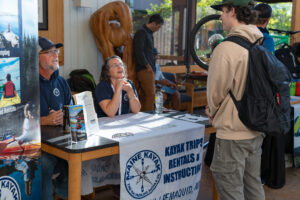
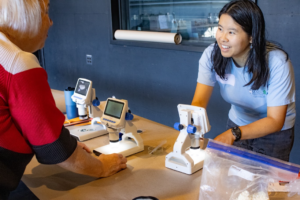
During this year’s Earth Week, SEAD continued its tradition of organizing impactful events. On April 23, Pfankuch organized and hosted the annual Sustainability Field Day in the lobby of Nutting Hall, celebrating Earth Week and highlighting sustainably focused clubs who tabled to share information about their work.
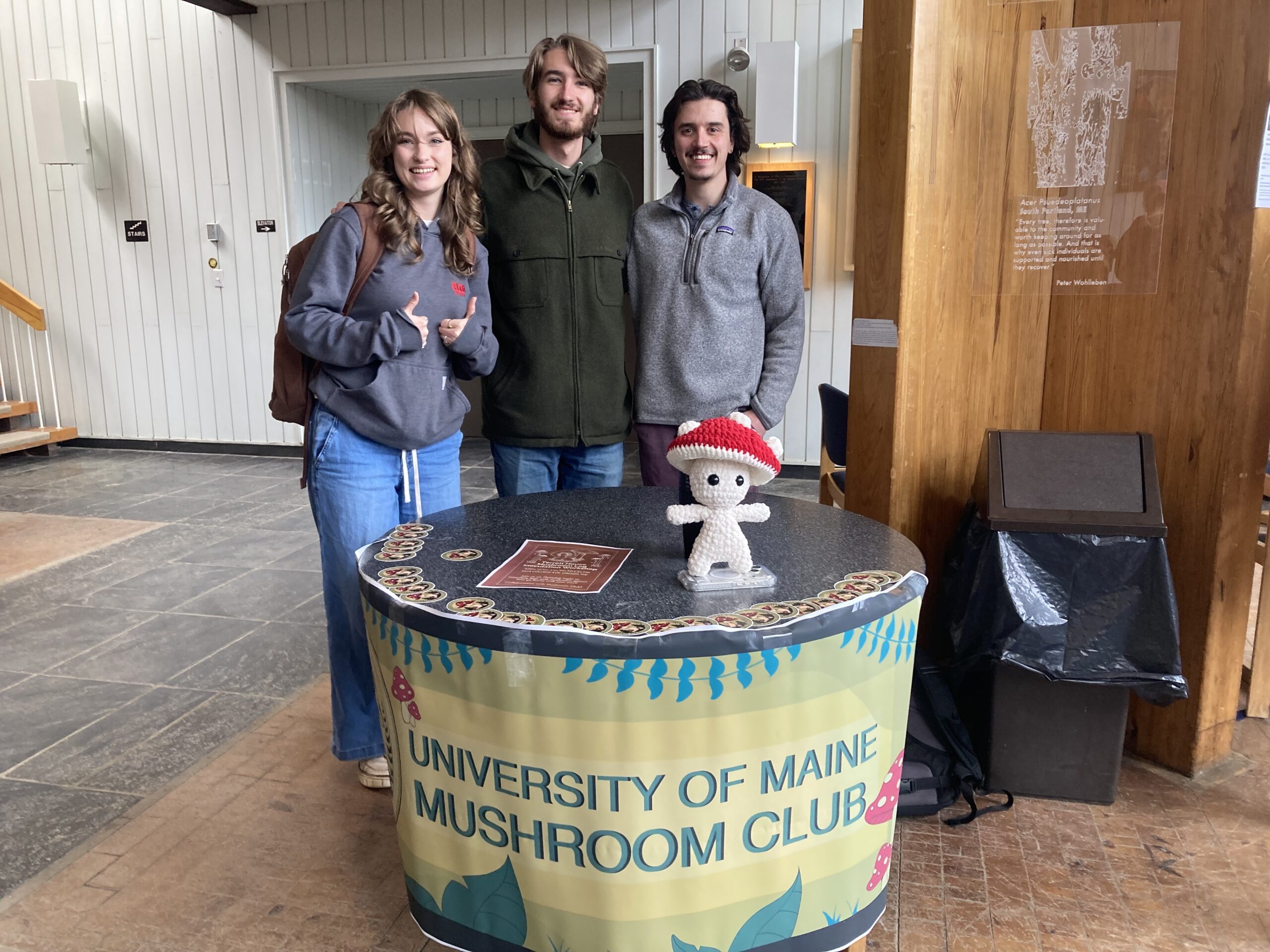
Participating organizations included the Horticulture club, the Waste Minimizers club, the Wildlife Society, the Mushroom club and Permaculture and Gardening club. These groups offered students the opportunity to learn about different aspects of sustainability, from ecological gardening practices to waste reduction strategies.
Throughout the week, individual green clubs hosted their own events. The Horticulture club held a tree identification and bark rubbing meeting in celebration of Earth Day, providing a hands-on way for students to interact with the natural environment. Meanwhile, both the Waste Minimizers and Mushroom club held trash pick-ups on April 22, reinforcing the importance of community action in maintaining a clean campus.
Opportunities for involvement extend beyond Earth Week, with the fall and spring student involvement fair providing students with accessible spaces to interact and meet with green clubs to explore ways to get engaged. Pfankuch believes that whether attending events, joining sustainability-focused clubs, or participating in volunteer opportunities, small actions like supporting campus initiatives and learning more about environmental issues can contribute towards meaningful change.
“SEAD is a great starting point for students who want to connect with others and get involved in sustainability efforts on campus,” wrote Pfankuch.
Pfankuch’s sentiment reflects a broader culture at UMaine, where sustainability is often seen not as an isolated initiative, but rather as a shared responsibility that students have begun to lead with strong efforts.