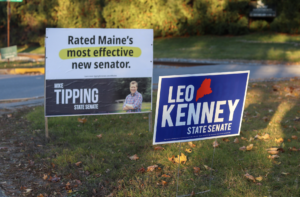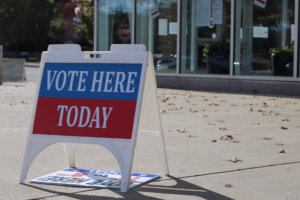
EDITORIAL: Tuesday, Nov. 3 is the big day. We are going to find out who will represent us in Washington and Augusta as Mainers. The influence and power that these political positions hold over your lives cannot be overstated. Sadly, it still seems that many students are unaware of the stakes and the candidates who lie in front of them. This is something that cannot continue. College students need to be aware of the world around them and the impact their decisions have — and they need to spread that awareness to others.
College students usually fall into the age bracket of 18 to 29, which has the lowest voter turnout rate in the country. One might wonder: What is the cause for such a low turnout? While there are multiple factors and theories as to why this is, a major component is unequivocally youthful, blissful ignorance.
A lot of people our age don’t realize the power their voice and vote hold. Life to them has always been relatively okay, and they might think who’s in office doesn’t affect them, that life is going to keep on going the way it’s been. Even if that is the case, which it probably isn’t, chances are there are groups of people whose quality of life will be impacted. You, the voter, have a say if those lives are going to improve or worsen, and you owe it to your fellow Americans to make an educated decision about the future of the country you share. Beyond that, the right to decide the leaders of your country is not something that everyone in the world gets to do, so make the best of it.
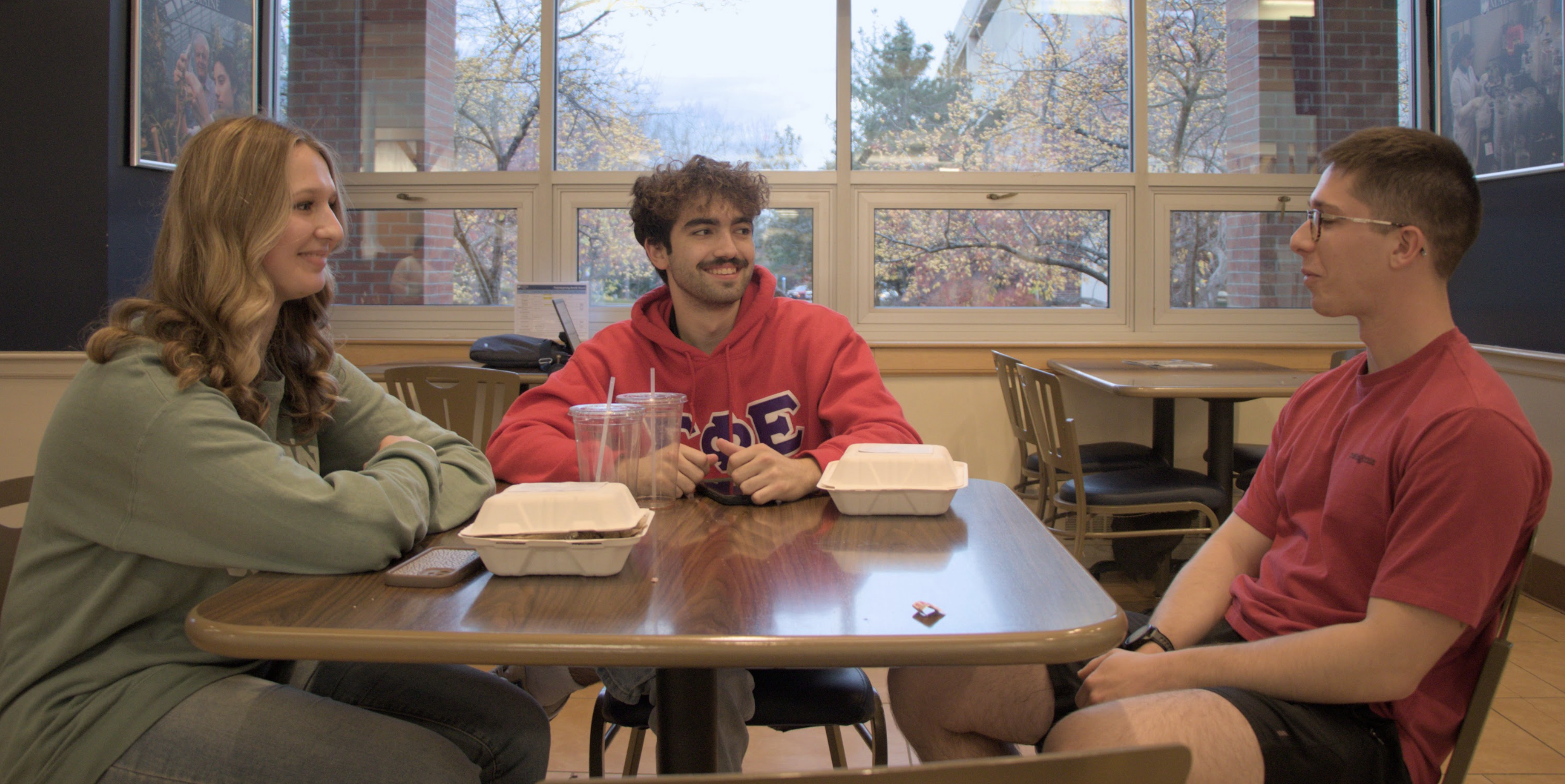
It’s hard to have political conversations with your friends. The environment surrounding this election and politics in general has become extreme — but that’s because it matters. We’re not saying you need to get into screaming matches with your friends, but you should encourage political discourse with the people you care about, even if it’s uncomfortable. It is the people you love whose lives are going to be affected by the outcome of political elections, as well as your own. If you really care about your friends and family, you have to do what’s best for them, even if that’s uncomfortable.
Talking to your partner is also an obstacle many run into, but it’s one that you have to overcome. Politics is something that looms in relationships, and in heterosexual relationships, that shadow probably feels like it’s looming larger than ever. Differences in political beliefs between men and women among people under 30 have grown over recent years, and are projected to grow further in the next election. Men have always leaned to the right and women to the left; however, women have moved significantly to the left in recent years.
This can make talking about politics with your partner scary, because you don’t want to tip the boat and cause something that could end the relationship. If that’s the case, the relationship probably isn’t the one for you. You have to be able to have difficult, honest conversations with your partner, especially when you’re having a disagreement. The outcome of the conversation doesn’t need to end in agreement, but it’s important that you have a conversation about something that is so integral to the character of the person you’re dating, especially if there is an issue that is paramount to you. If you can’t do that, it’s not a relationship worth being in.
You and your friends can’t be unaware of the world around you. We’re not kids anymore. Our decisions, whether they involve voting for a certain candidate or not voting at all, have major consequences. We as a campus need to know the options the candidates are giving us as voters and make the best decision for ourselves and the people around us.