EDITORIAL: College is a very expensive experience for most. However, instead of the university trying to make living expenses cheaper for students, they often choose not to act or do the exact opposite and raise the price of goods. Common goods and necessities should be cheap, and in some cases, free on campus.
Many students have to take on loans to afford an education at the university of their choice. To off-set some of the debt, students will seek external funding in the form of scholarships, and depending on the students financial background, the school will offer some type of financial aid.
Financial aid often comes in monetary help with things like tuition, meal plans or housing. The University of Maine might also offer students work studies to combat some of the expenses, but financial aid never comes in the form of reducing everyday costs.
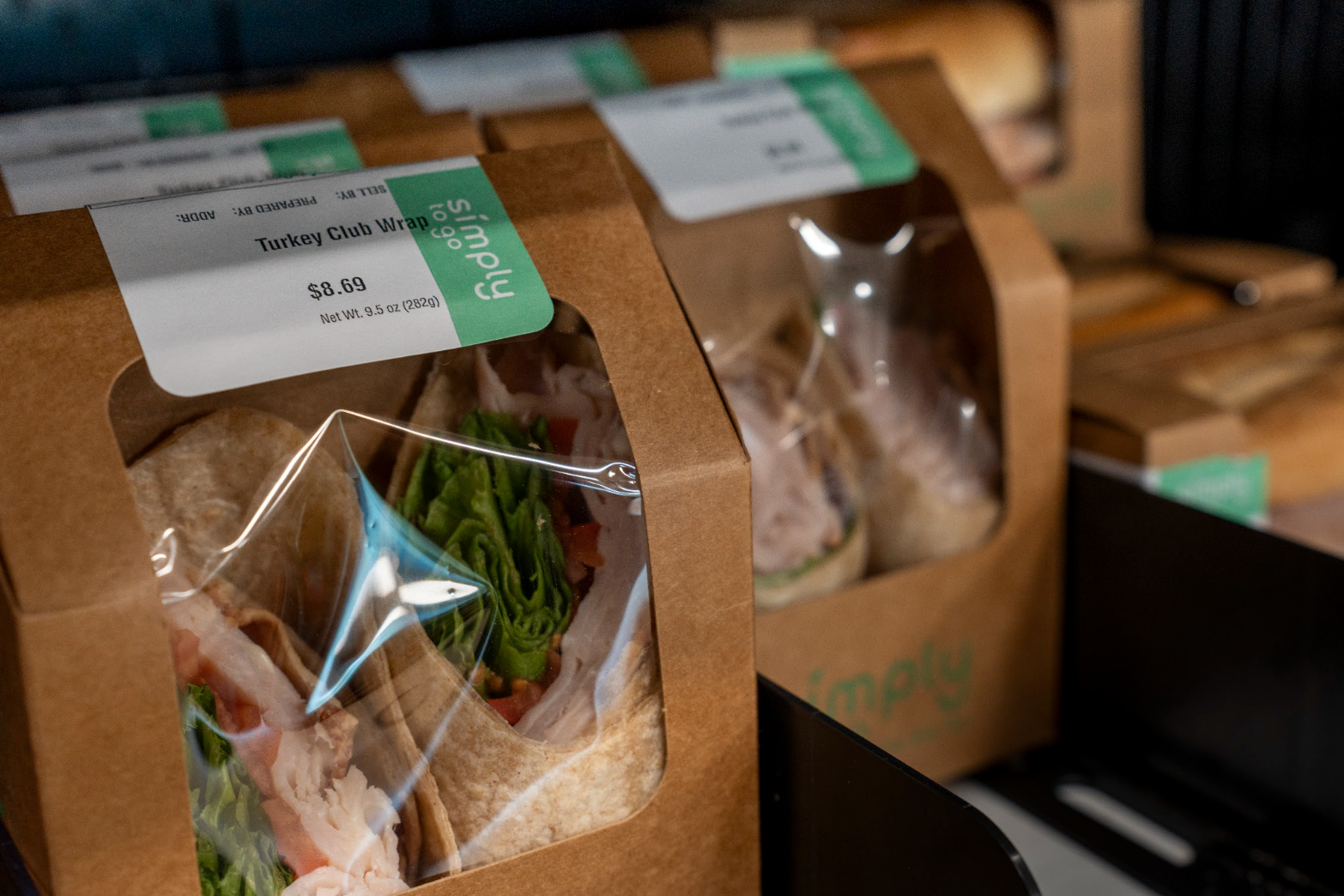
It is no secret that prices of food and drinks across campus are marked up. If you go to Bears Den you will be paying more than what you’d pay off campus for most items in the store. Wells Central Dining has the same issue and the new program, eatNOW, is struggling with having reasonable prices. Food and drinks being purchased by UMaine students on campus should not be more expensive than if you were to get them at a nearby gas station. It’s that simple.
A less frequently raised issue regarding student access to essential items is clothing. While the UMaine bookstore is not exclusively a clothing shop or has all the offerings of a clothing shop, we would be remiss not to mention the absurd clothing prices that they do have.
UMaine is also struggling with relieving some aspects of financial strain that a good chunk of public high schools offer. In most high schools, at least in Maine, women’s bathrooms have free and available pads or tampons. UMaine needs to follow suit: there needs to be free tampons or pads in all women’s and gender neutral bathrooms on campus. We don’t see any reason why there aren’t already.
As discovered through our recent reporting, the need for food security and access to essentials is on the rise in Maine. Black Bear exchange is on the forefront of this rise in demand for resources. As of late, this spike in use of services is growing the need for donations, and making staff worry if they over expose their services, they might run out of resources. In an economy where the prices of everyday goods are high, UMaine should be a haven for students who are struggling. Right now, it’s not.
There needs to be serious consideration and adjustments made by the university to combat the financial strain on students. This could come in the forms of lowering prices on campus, changing certain financial aid packages or other solutions they can think up, but adjustments need to be made.