OPINION: When I was a kid, I had aspirations of becoming a news anchor until I realized I wasn’t pretty enough or willing to work that hard. Also, I likely would have ended up like Ron Burgundy. I digress.
Journalism is prevalent every day in every one of our lives. Though it has evolved from newsstands handing out dailies to 30-second Instagram clips, its importance to both our own awareness and our shared understanding of the world around us cannot be overstated. Much of what we know on a day-to-day basis comes from journalism, whether it’s on the TV, on a phone screen or in the paper. With our current state of affairs surrounding polarized politics and a constantly growing pop culture lexicon, journalism is now more relevant than ever.
Now that our news is split into different forms of media, the question arises of which method is best. Obviously this is not a black-and-white issue, but different forms carry different benefits and drawbacks in terms of information, convenience and efficiency. For the purposes of this article, I will be focusing on print journalism and video journalism. This excludes digital article forms like Politico or Axios.
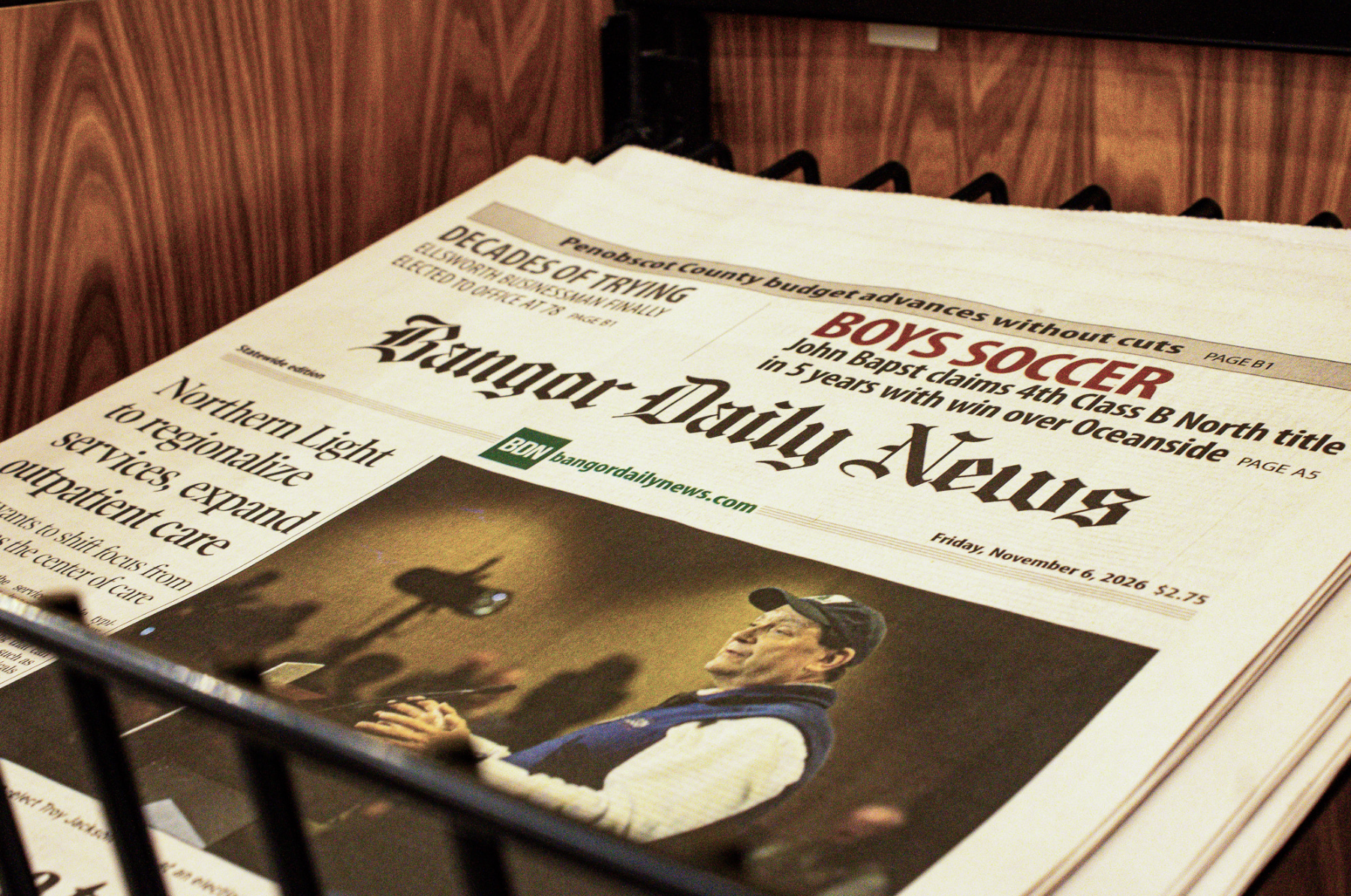
Print journalism is the baseline. The physicality of a newspaper or magazine gives weight to the issues within, and copies are generally easy to access in any urban area. Printed text allows for readers to take in detailed information and reporting at their own pace, and it can be formatted so that visual aids complement the paragraphs. Additionally, you don’t need any kind of device to read it. However, once printed, a physical newspaper is uneditable, and in an age of ever-dwindling attention spans, many people never read physical news anymore.
Video journalism is the next step. By combining visuals, audio, interviews and narration, platforms like Instagram and TikTok can create a stronger emotional connection with viewers. It’s often more engaging and accessible to people who prefer watching over reading. The biggest advantage video journalism has is its ability to communicate breaking news quickly and effectively on a worldwide basis. With that said, video production can be both expensive and time-consuming for the average person. This article will take me about 45 minutes to write, yet if I wanted to project all of this information into a video essay, then not only would it take me days but the video would be at least 10 minutes long.
Obviously, video journalism has taken precedence over print largely due to the advancement of social media platforms and personal devices. However, the newspaper is far from being replaced completely, and I think that’s a good thing. The University of Maine is lucky to have print and video journalism from the Maine Campus, alongside culture-related video coverage from the Maine Journal. Together, they give students different ways to stay informed about campus news and events. In times like these, it is crucial that students be informed of current events, and I’d like to think that we’re doing a pretty good job.