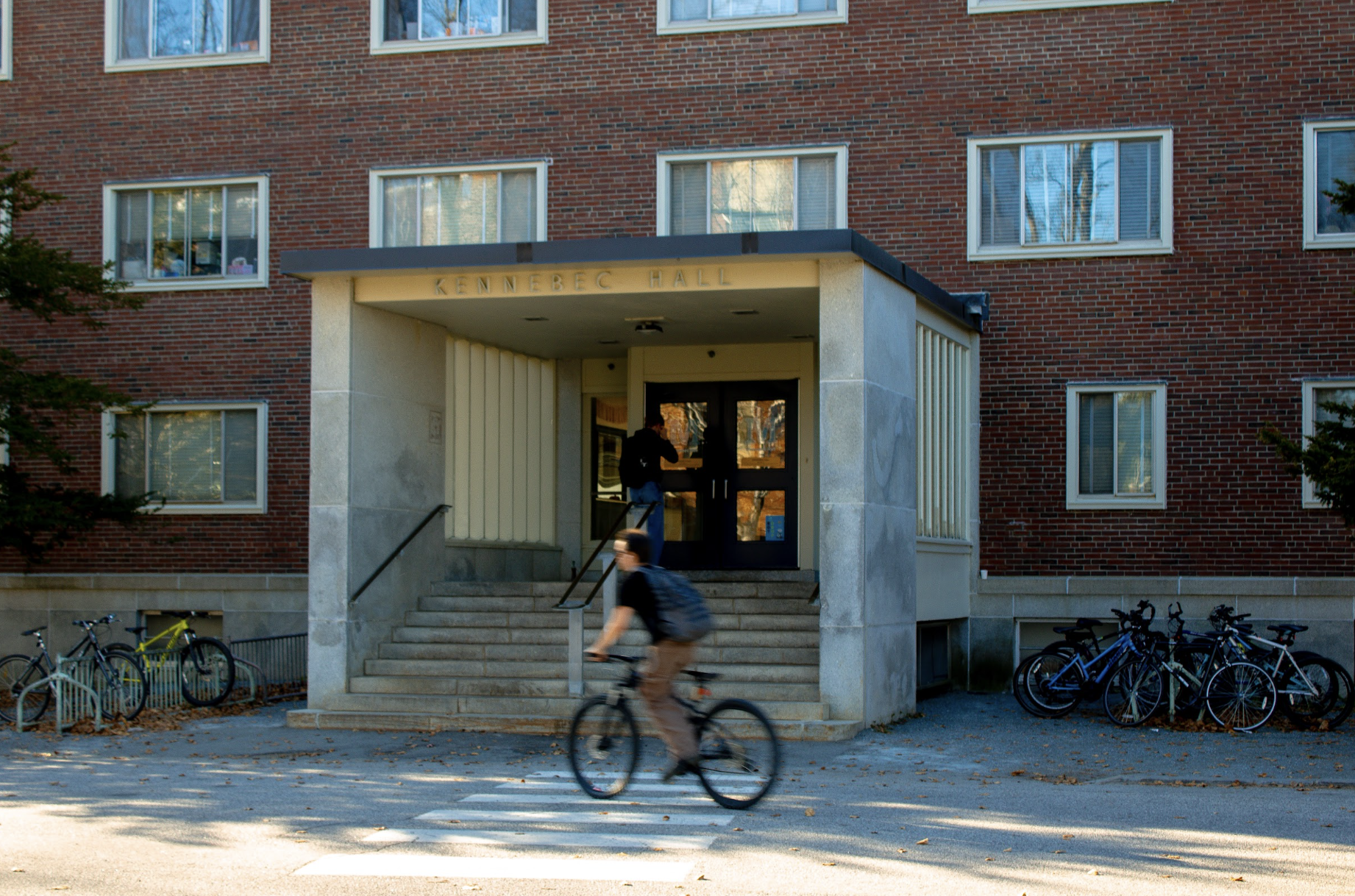
EDITORIAL: Living on a college campus is something that is built up in the minds of many. There are plenty of pop culture depictions capturing what it’s like for college students to go from the boring life of living with their parents, to staying in the rowdy, action-packed environment that is college. However, the quality of residence halls at the University of Maine don’t always match the price students pay.
The experience of living in a dorm can be nice. Outside the emotional connection and camaraderie that can form from living with friends, on-campus living allows for close proximity to classes and student support. However, these benefits do not always surmount what many students deem to be poor living conditions.
According to Student Financial Services, housing and food cost about $14,696 per academic year. If you compare that to other local, off-campus housing options, that price is approximately the same as rent in Orono, which ranges from about $1,000 to $1,500 a month. In the surrounding communities like Bangor and Veazie, the price is slightly higher, but most students who find off-campus housing find it in Orono — and the difference is not that large anyways.
Some readers may question the fairness of this comparison. Why would we compare pricing with food added in and not just the price of the dorm? The reason we are comparing on-campus housing by both housing and food costs is the same reason the university often lumps them together: They are usually a package deal. While there are a few dorms that have kitchens, the vast majority of them don’t. This often forces students who live on-campus to purchase a meal plan of some level, and for lowerclassmen, they are required to select one of the three unlimited plans.
So, with the price considered, does it make sense to stay on campus? Well, that depends on what you value. There are pros and cons to most aspects of any living situation.
At UMaine, there are complaints about the size of the housing, problems with the water, occasional complaints of cockroaches and other unwanted pests, the gross nature of having to share showers and restrooms with whole floors of people, and a range of other complaints that would come up when you’re sharing a living space with tons of college students.
However, if you were to live off-campus, you would run into a few problems that don’t necessarily arise on-campus. For example, you have to spend extra time and money to buy and prepare all of your meals, you have to sign a lease that is usually at least for the entire year, you have to manage a relationship with a landlord and above all, you have to pay rent every month.
However, there are some counterpoints to these cons of off-campus housing. For one, the money you would spend on food would go toward food that tastes much better and is of higher quality than what is served at dining halls. The lease could become a hassle, but at least you can stay there the entire year without being forced to leave. Most off-campus living arrangements come with a private bathroom and laundry machines, depending on the number of roommates. Finally, the landlord tenant relationship isn’t all that different from the relationship UMaine has with its students — and that’s something UMaine can easily change.
The university has to put more effort into being proactive with things like maintenance and renovations, and destroy the sense of exploitation that students feel. Food and housing on-campus feel like so many things in this state: prices are at a premium and continue to go up, but the quality and services remain the same or worsen. UMaine needs to combat this with effort and transparency about what they plan to improve and by when.
On-campus living conditions have to improve. As things stand, it doesn’t make sense for students to live on campus for long.