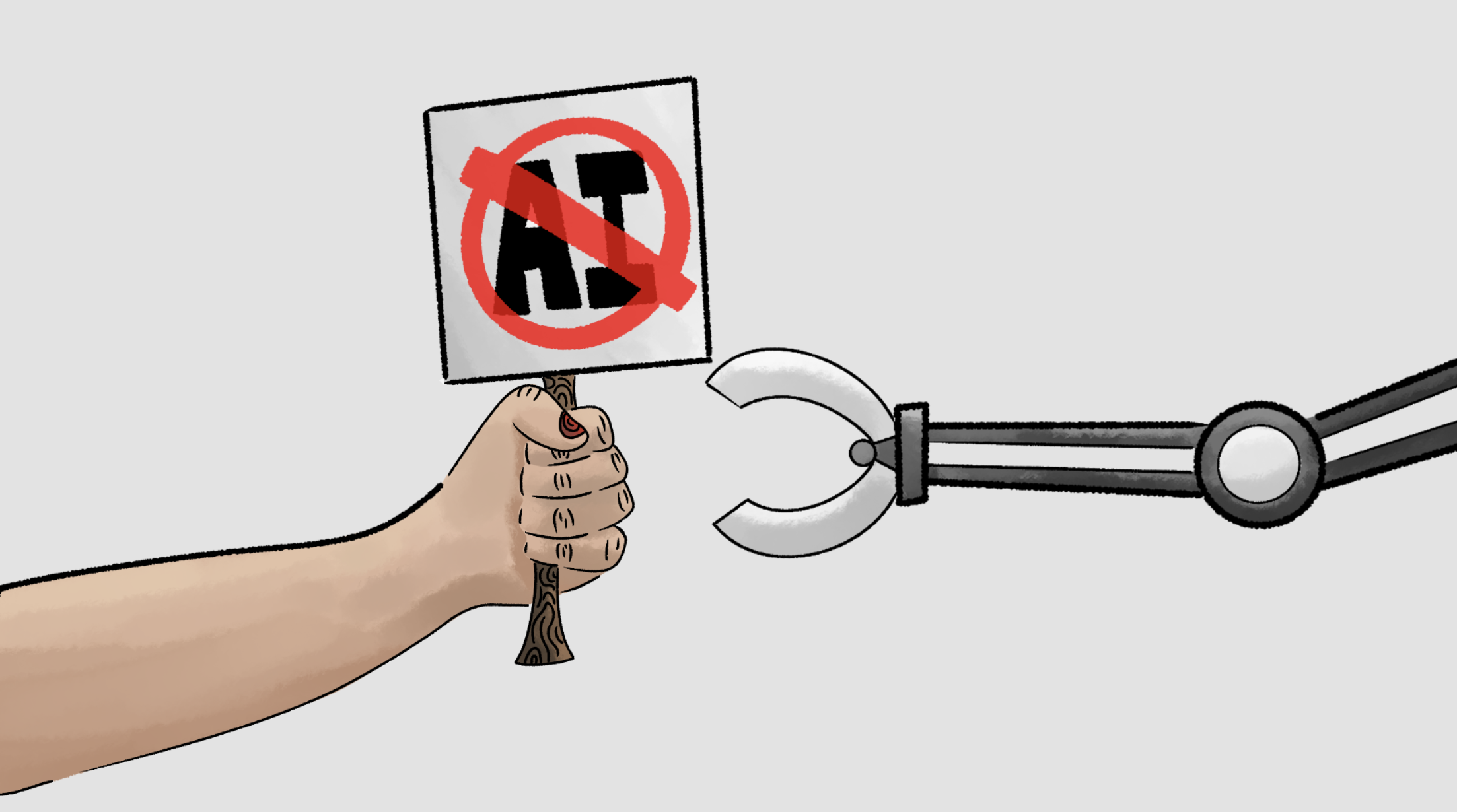
As the artificial intelligence (AI) bubble continues to grow, we are starting to see multiple major corporations set their sights on rural neighborhoods. With concerns about the environmental impacts and how surging electric rates may affect some communities, many worry about what this shift by AI companies will mean for them and their families.
There are more than 3,000 operational data centers in the United States alone. That number is expected to rise sharply over the next few years, with more than 1,500 data centers in various stages of development. Of those 1,500 data centers, 67% of them are expected to be built in rural areas, per the Pew Research Center.
The main issue with this is that there are so many unknowns that come into play when it comes to this move. Research shows that around 60% of rural Americans are very worried about how AI data centers will impact their electric costs. Another 40% are worried about data centers’ overuse of water.
These concerns are for a good reason. AI data centers use a massive amount of electricity to function. Because they are connected to the same power grid as multiple houses, the extra demand begins to affect everybody in the system, leading to higher prices.
“Right now, in most cases, those costs don’t just go to the companies running the data centers. Instead, they’re spread across everyone who uses the grid. That’s because electricity rates have not been uniformly adjusted to require data center companies to pay for all the costs they impose on the grid,” stated Hannah Wiseman, a professor of law at Penn State. “One way to think about this phenomenon is like a growing town where a large new facility moves in and needs a lot of power. The local infrastructure must improve and expand, and the cost of those upgrades is shared across the community, without a careful redesign of rates and fees.”
Other concerns outline AI impacts on farmland and how it will affect local producers. While AI can help farmers grow and harvest crops more precisely, it further exacerbates economic inequality in this field, as that equipment is very expensive and only affordable by bigger and more established farms. This puts smaller farms at the risk of getting kicked out of the industry.
Furthermore, automated technology such as robots and drones have been known to lead to pollution. Misuse of chemicals and improper water management have been known to be issues with these AI systems that cause environmental degradation.
These concerns grow when AI data centers move into rural communities because they share local infrastructure with rural farms and lead to more business between the two. Additionally, AI data centers are just buying agricultural land outright as well, turning important environmentally fertile land into a massive computing facility and further putting strain on this essential industry.
I think it’s important to note that AI data centers certainly do have some positive benefits such as job creation, local tax revenue and technological advancements. These are things that many suggest are reasons AI data centers are vital to bringing growth to rural communities.
However, I’d argue that there are just too many unknown, potentially harmful effects that come from bringing data centers to rural communities. Furthermore, based on backlash and concerns from people all over the country, I believe it is just too early to allow AI data centers into our neighborhoods. Until all the logistics and kinks are worked out regarding how data centers affect the cost of living and the environment of rural communities, we need to say no to bringing them into towns.