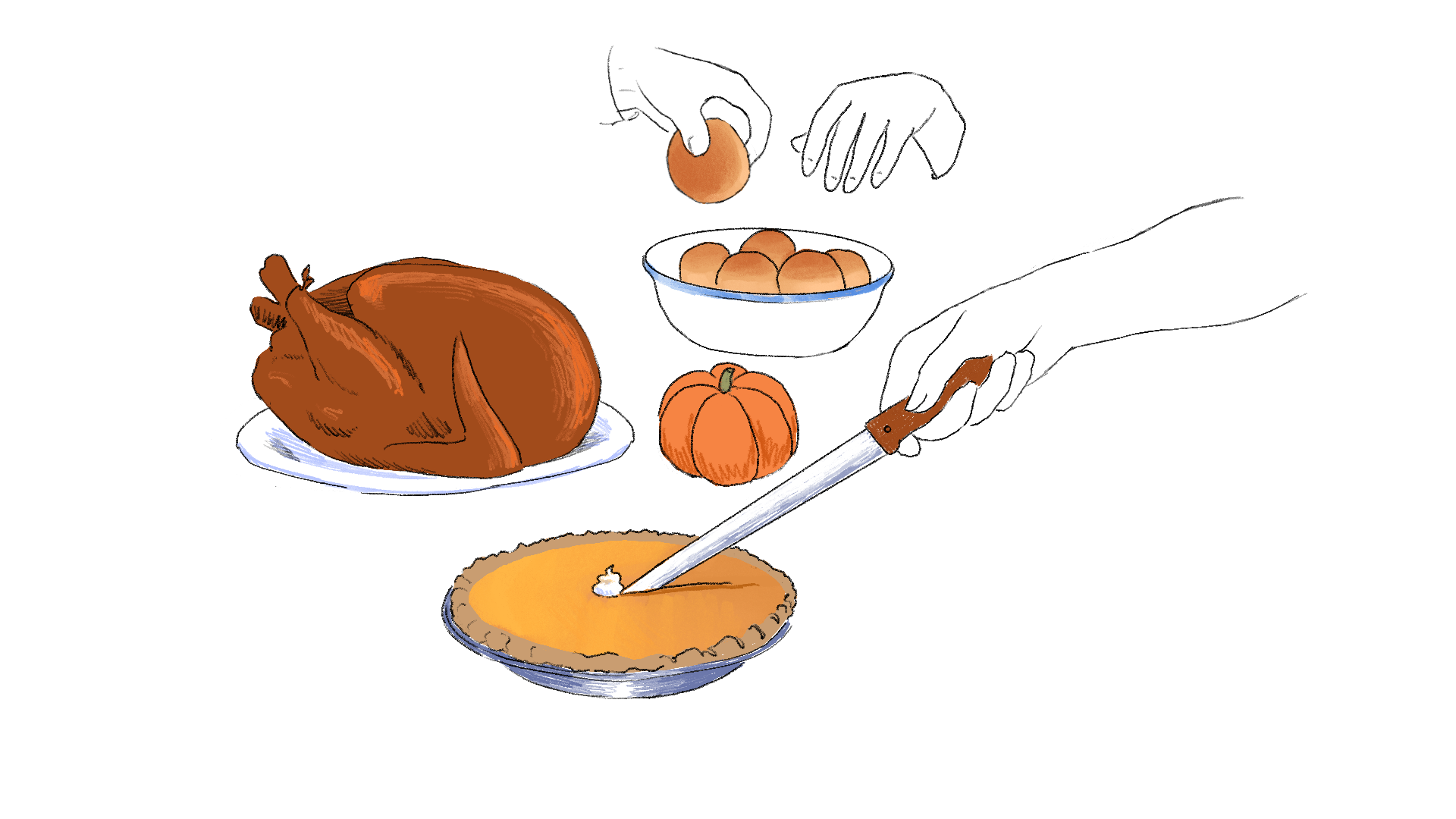
OPINION: For some, hosting Friendsgiving can be the first time they take on the responsibilities of tradition. Someone is making a grocery list for the first time, someone is unsure what “broil” means, someone is trying to navigate a plus-one and everyone is trying to coordinate schedules. Unlike the more formal expectations surrounding Thanksgiving, Friendsgiving doesn’t come with decades of tradition or obligations; it reflects what young adults actually need from their community right now.
One of the reasons Friendsgiving has become so meaningful is that it gives young adults a sense of ownership over their traditions. Having a reason to gather everyone in one place, even for an evening, creates a sense of stability in a period when so much else feels temporary. The meal itself becomes secondary to the joy of getting everyone around the same table. In a stage of life defined by constant change, we get a chance to find comfort in knowing there are people and routines we can rely on. Creating traditions of our own allows us to decide what matters and gives us something to look forward to as our lives, relationships and circumstances change.
For students like myself, these gatherings also fill a gap that comes with living away from home.
The people you see every day are the people you celebrate birthdays with, call when something goes wrong and turn to when you need a familiar face. These are important roles, but everyday proximity doesn’t always translate into intentional time together; it’s easy to let friendships become another thing you assume will always be there. Friendsgiving creates an intentional opportunity to connect with people who are navigating similar stages of life and sharing many of the same uncertainties, transitions and experiences. It gives everyone a reason to slow down, make time and appreciate our relationships outside the usual routine. It’s a chance to celebrate the people who have shown up for us in the lives we’re building now.
There’s also a mental health benefit to building a support system outside of your family. Fostering and strengthening relationships with friends gives young adults people to turn to when life becomes overwhelming, particularly when family isn’t physically nearby or isn’t always a source of support. Having people who offer consistency and understanding can make major life transitions feel less isolating. With a meal, we get to create a space to strengthen those relationships before we need them, reminding us that we don’t have to navigate adulthood independently.
Thanksgiving is meant to be about gratitude, connection and togetherness. Friendsgiving offers all three, sometimes without the complicated expectations that can accompany traditional holidays. Its growing significance among young adults says less about a declining appreciation for tradition and more about an evolving understanding of family. As we begin building lives independent of the ones we were raised in, we also build communities of our own. Friendsgiving is a reminder that family isn’t limited to the people we grew up with and that belonging is something we can create for ourselves.