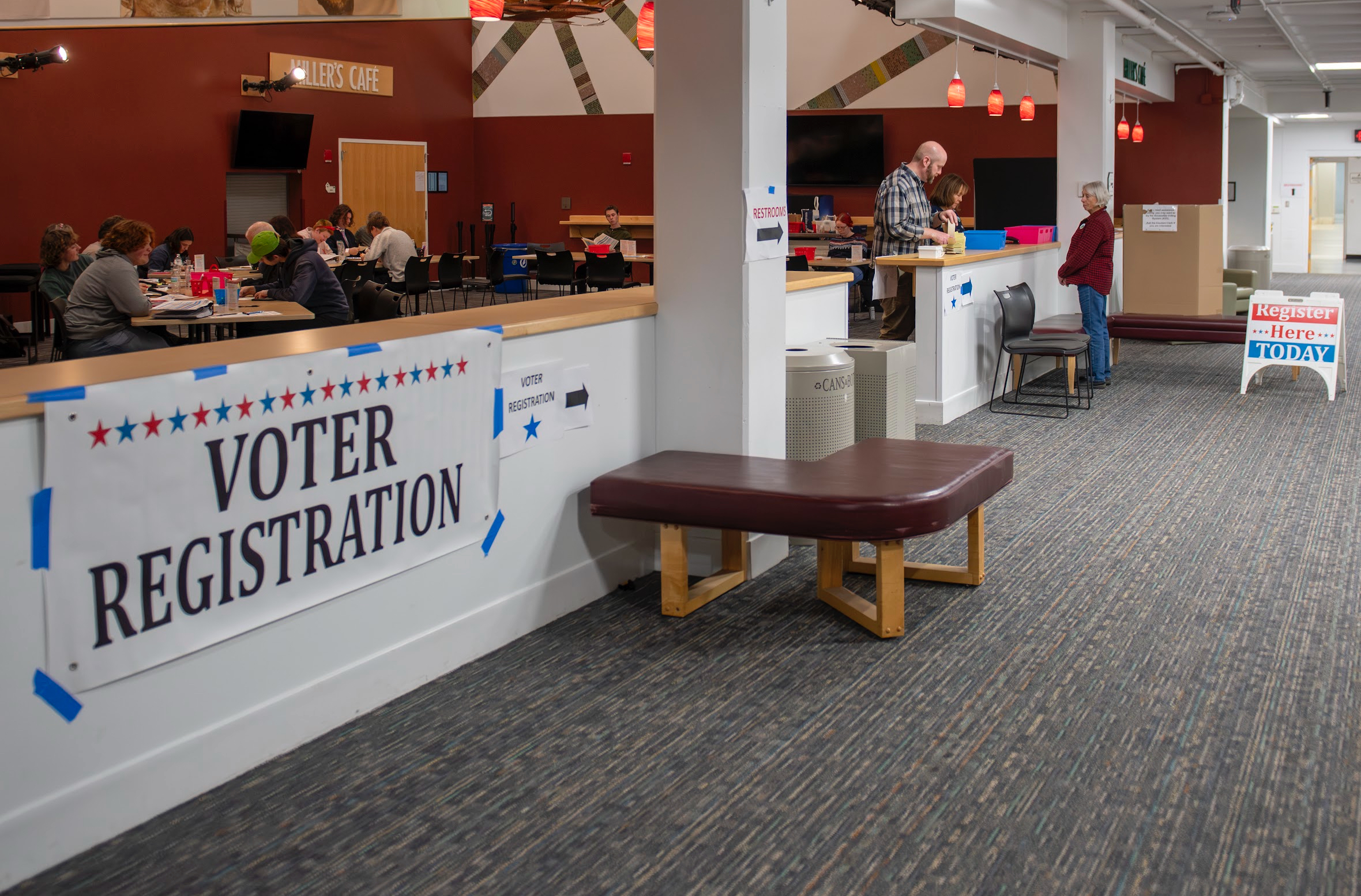
The Trump administration released an executive order on March 31 that would limit mail-in ballots, voter eligibility and create a national voter registry. This executive order would also require government pre-authorization for anyone looking to vote by mail. Maine has already joined more than 20 other states in a lawsuit against the administration. The state believes that this order is an attempt to infringe upon state authority. Ultimately, the executive order could reshape how millions of Americans cast their ballots, including out-of-state college students who rely on mail-in voting.
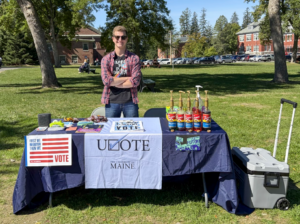
Associate professor of political science at the University of Maine, Dr. Robert Glover, provided a written statement for the Maine Campus regarding this issue. In addition to his political work and courses, Glover helps co-lead the UMaine UVote effort on campus, a program that has partnered with the town of Orono for over a decade to encourage students to participate in elections by providing resources to increase student voter turnout.
For many out-of-state students, voting by mail is an important way to participate. Glover believes that new requirements or complexities added to the voting process can “disproportionately affect student voters.”
Glover explained what the passage of a new executive order typically entails for the state of Maine — and why the order is unlikely to survive given the ongoing multi-state lawsuit.
“This kind of executive order is unlikely to survive because the Constitution gives primary authority over election administration to the states, and any major federal changes would need to come from Congress — not the president acting alone,” wrote Glover. “Courts are also highly skeptical of sweeping executive actions that claim new powers over voting, so it would likely be blocked quickly while legal challenges proceed.”
When a state joins a lawsuit against the federal government, it says that the executive order has violated the Constitution or a federal law that infringes on the states rights. The state of Maine has officially joined the case to ask the federal court to overturn the order that caused the infringement. From there, the court listens to both sides through a series of hearings and then issues a ruling.
Glover shared that an appeal is likely whatever the outcome and the legal battle will be long.
“Whatever the outcome [of the ruling], it’s very likely to be appealed, especially in high-stakes election law disputes like this. So this is really the first step in what could be a lengthy legal battle,” wrote Glover.
UMaine UVote ambassador Emily Ebersman provided the Maine Campus with a statement on how she believes this will impact the voter turnout amongst college students.
“I think that the administration’s executive order requiring pre-authorization for anyone looking to vote by mail will significantly decrease student civic engagement,” wrote Ebersman. “I think that with college students’ already packed schedules, if voting requires additional time and effort, students will be much less inclined to vote.”
While the case will play out in court, lawsuits like this can also shape public response to the policy and place pressure on lawmakers. Legal challenges often move through multiple levels of the court system and could take months or longer to resolve. For now, Maine and other states will continue challenging the order as the legal process unfolds and the potential impact on college student voters remains uncertain.