EDITORIAL: This year’s midterm elections has put the spotlight on Maine.
With the Senate race being razor-thin between Democrats and Republicans, and the control of Congress hanging in the balance, the race between Democratic candidate Troy Jackson and Republican Sen. Susan Collins is one the whole nation is watching.
It cannot be emphasized enough how important the results of elections like the Maine Senate race are to the future of this country. With such high stakes, we believe that every citizen eligible to vote should have ample time and access to exercise their right to decide the future leadership of this country.
This year’s Election Day is happening on Nov. 3, which falls on a Tuesday. Despite the importance of this election, and every federal and state election, there is no change to the day’s schedule. It’s just another Tuesday filled with work or classes, or in some cases, both. This is something that needs to change.
With an average range of between 40% and 60% of eligible voters casting their ballots in federal elections in recent years, the federal government should remove all barriers for citizens voting. The simple solution is to make Election Day a national holiday.
A change like that is not likely to come from Washington, but it can start to appear in a more local form. Universities, like our own, could exercise their power to declare Election Day an academic holiday. This would allow students who reside in Maine to vote or travel to where they are eligible to cast their ballots.
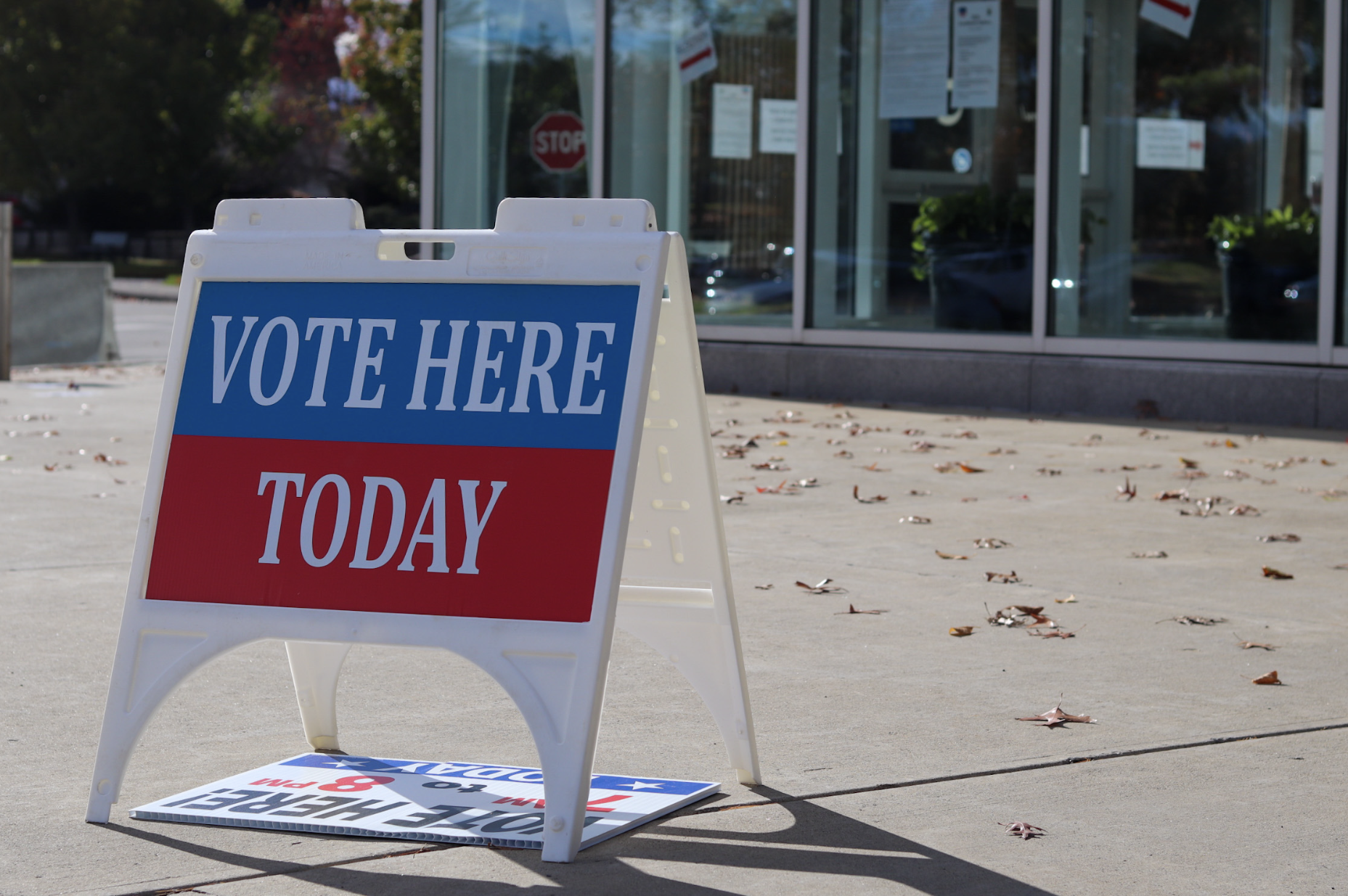
While the university does things that make it easier to vote, like hosting a voting center in the Collins Center for the Arts (CCA), it fails to go all the way with its efforts. While shortening proximity to a place you can vote is helpful, it does not get rid of all the time constraints that come with being a student and citizen.
Giving students the day off of classes and homework would go a long way in creating opportunities for students to let their voices be heard at the voting booth. Not only will it give students who don’t work more time to wait in line and register to vote if they haven’t beforehand, but it will give students who work a job a window to vote before or after work.
Out of all the age demographics that vote, voters ages 18-29 historically do not show up like older voters do. With this being the case, it is even more important that universities give students the opportunity and encouragement to be involved in the election process.
The future of this country is as uncertain as it ever has been. With huge issues like the war in Iran, the economy, AI regulation and data centers, abortion rights, immigration policy and many others up in the air, it is paramount that as many voters as possible show up at the polls. So we need to call on our governments and institutions to make changes that encourage voter turnout.