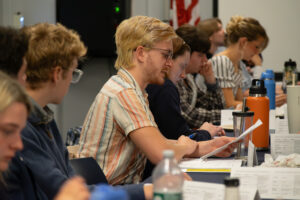
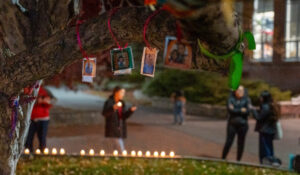
As Nepal continues to grapple with the impacts of climate change following devastating floods beginning in August 2026 that drew international attention, members of the University of Maine Nepalese Student Alliance (NSA) gathered on Nov. 13 to celebrate their culture and find a sense of community during a period of uncertainty back home.
Since the 1970s, the International Student Alliance has remained one of the most active student groups at UMaine and has worked to emphasize the presence of the international community. On Fridays, the organization hosts a coffee hour featuring a different country each week, with students sharing their culture through food and presentations.
On Friday, Nov. 13, the coffee hour began with a slideshow presentation that highlighted key aspects of Nepali culture and emphasized how the country, despite its small size, is filled with many different traditions.
After the presentation, attendees were encouraged to enjoy traditional Nepali cuisine. During this time, the Maine Campus spoke to Urgen Lama, a first-year student from Nepal who described his experience in NSA so far. Lama mentioned that he found out about NSA at Culturefest and was not previously aware that there was a big Nepali presence at UMaine, but has since found comfort in the community.
Throughout the event, people were sharing traditional meals from Nepal and chatter filled the room, highlighting the vibrant culture.
“It definitely gives you a place that reminds you of home,” said Lama.
While the coffee hour focused on celebrating Nepali culture, the importance of maintaining connections to home has become especially apparent as students process the impacts of the flooding events in Nepal.
The president of NSA, Aayush Ojha, is pursuing his PhD in chemistry and joined the organization in 2023. In an interview, he spoke about the recent climate change impacts that Nepal is experiencing and said that “climate change has been real since I was a child.”
In a 2022 international finance corporation report, the World Bank Group attributed floods and landslides as the most frequent climate events in the past 40 years, especially with increases in global warming. According to a United Nations article, the recent flooding in August of 2026 was a result of a mountain of glacier ice melting and washing away homes and bridges. This climate catastrophe has killed 1,400 people, including 84 children, with about 5,300 people still missing.
Ojha stated that their only source of communication for a while was through news media outlets where they were only able to see the videos of massive floods. He added that the main struggle was communication and the uncertainty of not knowing what was happening. When asked if the flooding had impacted his family, Ojha said that his immediate family in the capital was not affected but that his extended family in rural areas were. Although Ojha was able to make contact with his family, he mentioned that many members of NSA were unable to contact their loved ones for up to weeks while others were more impacted by losses.
To help alleviate the feeling of uncertainty, Ojha mentioned that when circumstances like this impact their country, organizing these events becomes more valuable.
“The warmth and sense of belonging is what makes NSA truly special for Nepali people here,” said Ojha.
Regarding climate change, Ojha believes that oftentimes in America, climate change can be seen as a new idea or not a serious issue because its impacts aren’t as visible. However, he mentioned that for countries like Nepal, they bear the burden of what developed countries are emitting, making them more vulnerable to climate changes. He calls for both sides to see how they are affecting each other.
“It is important for people from the other side of the world to know that climate change has real impact on people in Nepal,” said Ojha.
Similarly, Lama believes that Americans should become more informed about how climate change impacts other communities around the world and recognize how reducing greenhouse gas emissions could help countries like Nepal.
Ojha encourages people to come to NSA and believes that by coming to these chats, it’s a way to become informed and learn new things. The Nepali people of the UMaine community see this as an opportunity to share the culture of Nepal and celebrate their roots. The members welcomed all attendees from different backgrounds and greeted them with smiles. They ended their presentation by saying dhanyabad, meaning thank you, to those who showed up.