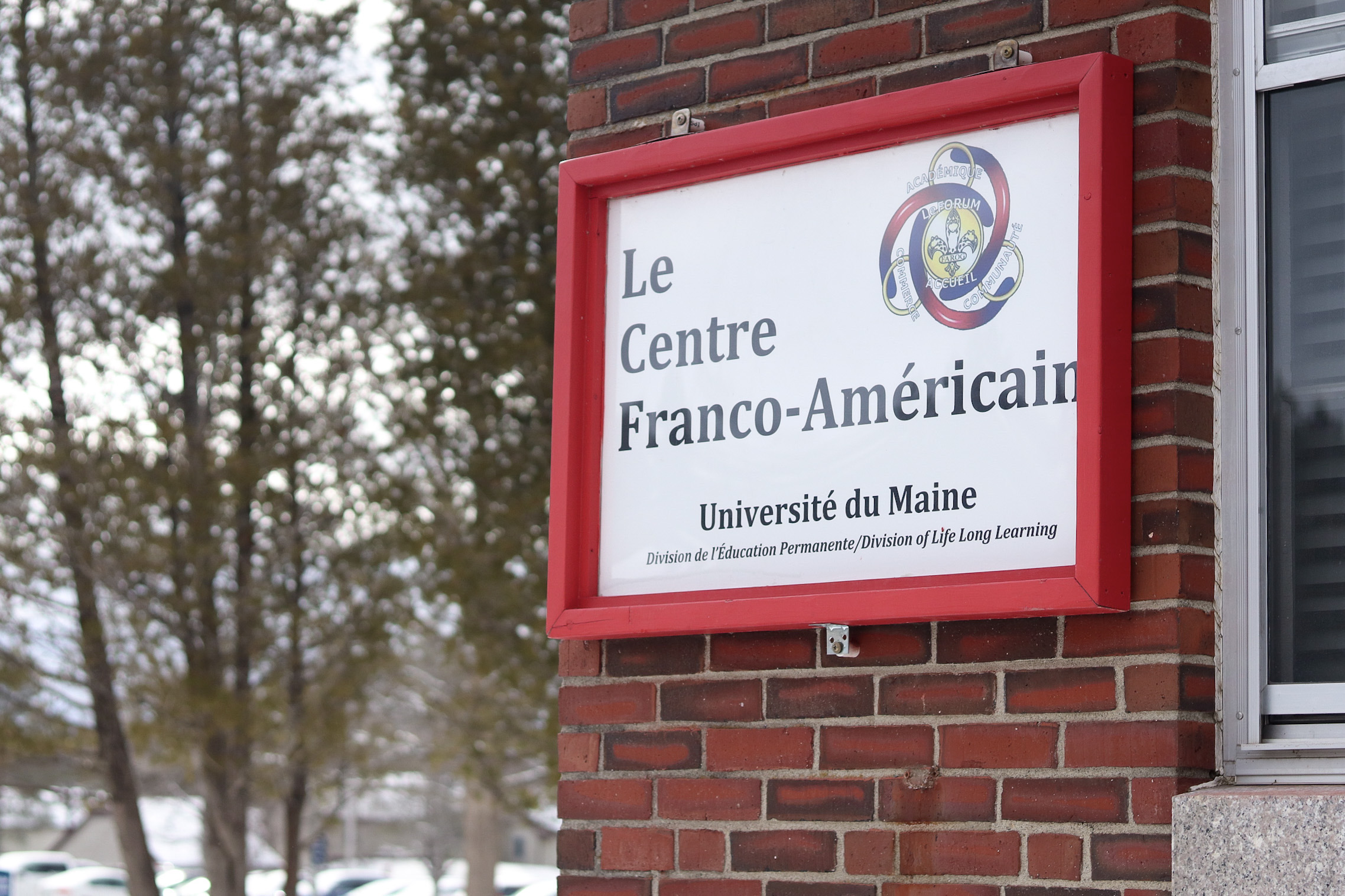
Over winter break, volunteers and staff at the University of Maine’s Franco-American Centre began moving items from their historic home at Crossland Hall to a temporary space in Libby Hall for the spring semester. A full move to a renovated space in the Environmental Sciences Laboratory (ESL) building is planned for 2027, according to the Office of Facilities Management ‘Crossland Hall Removal Fact Sheet.’ With just days remaining before the tentatively scheduled demolition of Crossland Hall on Feb. 18, some have found the space in Libby Hall less than adequate to accommodate the needs of the Centre.
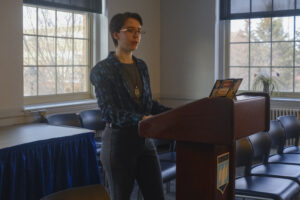
The following photo series identifies a number of issues that ten-year Centre volunteer Deborah E. Roberge says include handicap accessibility barriers, space functionality limitations and a lack of urgency in addressing issues raised to administration. Roberge spoke with the Maine Campus on behalf of those who frequent the Centre and based on her own experience using the new space.

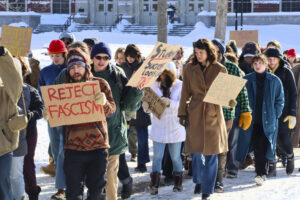
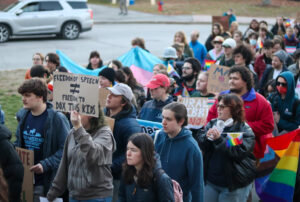
The move to Libby Hall follows hours of public testimony shared at a Jan. 26 University of Maine Board of Trustees (BoT) meeting. Some of the many in attendance speaking against the demolition included gubernatorial candidate Troy Jackson, students and those representing the UMaine History Department.
Despite the apparent lack of community support, the BoT voted to demolish the hall, citing $10 million in deferred maintenance and unfunded modernization needs too costly to surmount widespread opposition. When voting, the BoT added an amendment that requires the university to provide biannual updates on the Centre’s transition to ESL.

Roberge shared that she has worked at the Centre for nearly a decade. She spends at least 30 hours a week completing various tasks, such as cataloguing and scanning books, indexing 50+ years of the Centre’s bilingual periodical called Le Forum and helping students or community members with researching their genealogy.
She said that she and others have worked hard to make their temporary home at Libby Hall accommodating for the community programs they host, despite what she described as a lack of true support from the university, which has in turn impacted her and others’ ability to focus on work important to Franco-American heritage across the state.
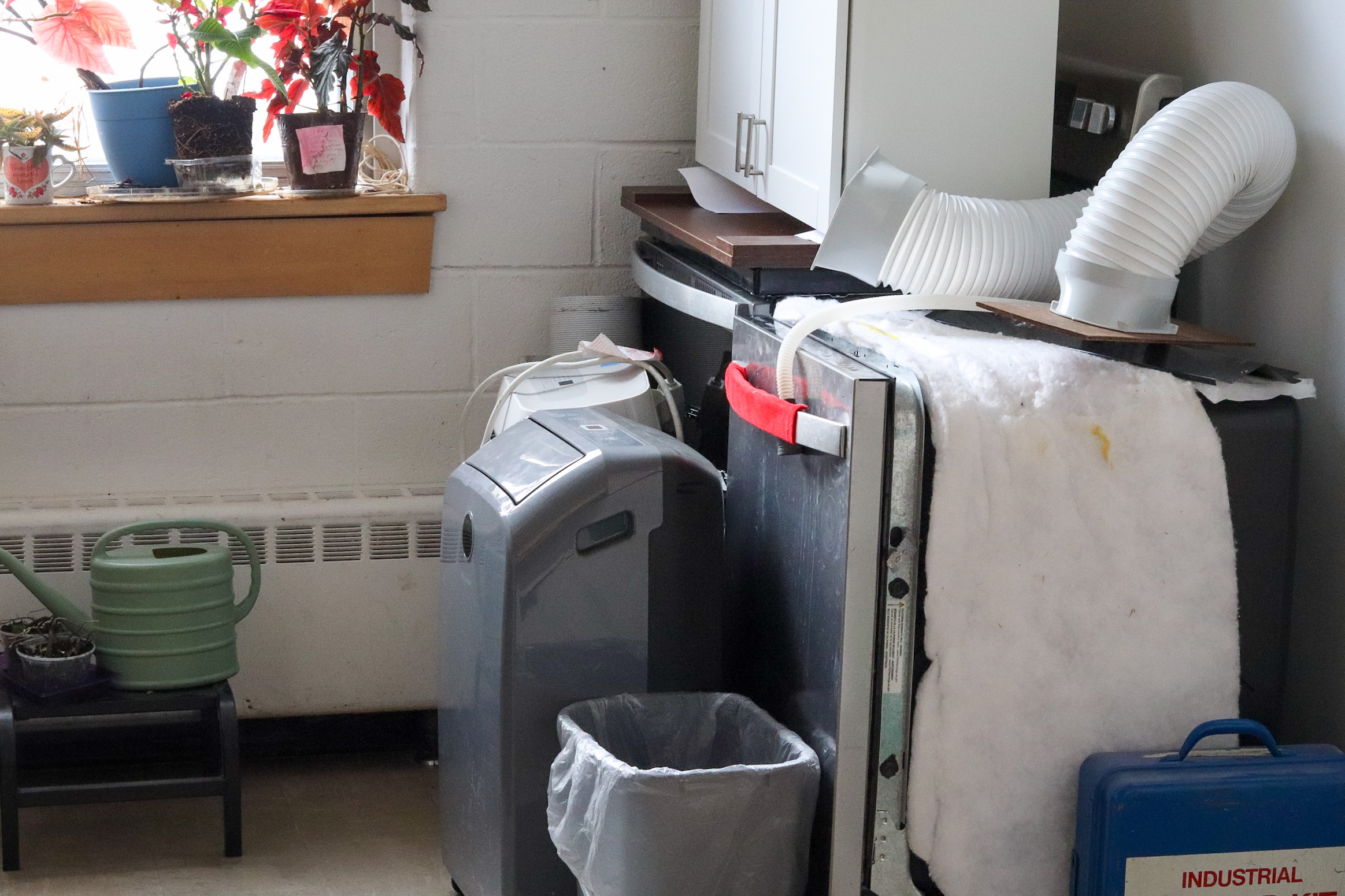
Beginning the tour of the space, Roberge walked toward a pile of appliances in a corridor just outside the women’s bathroom. The collection included several units that once functioned at Crossland Hall, including a dishwasher often used for food-centered community events hosted by the Centre. Roberge, who is 74 and made use of the dishwasher, like many older members of the Centre’s weekly Franco Femmes group, said the university installed a new dishwasher in the temporary kitchen at Libby Hall. It remained in use until a number of small floods occurred.
”We have had three minor floods so far in the kitchen due to the dishwasher. At first it was trouble with the pump not working properly. After the third flood, two men from plumbing came, because then the dishwasher had kicked out,” said Roberge. The pump has since been fixed.
She said staff and volunteers washed dishes by hand while issues with the dishwasher persisted, but even that proved difficult for a number of reasons.
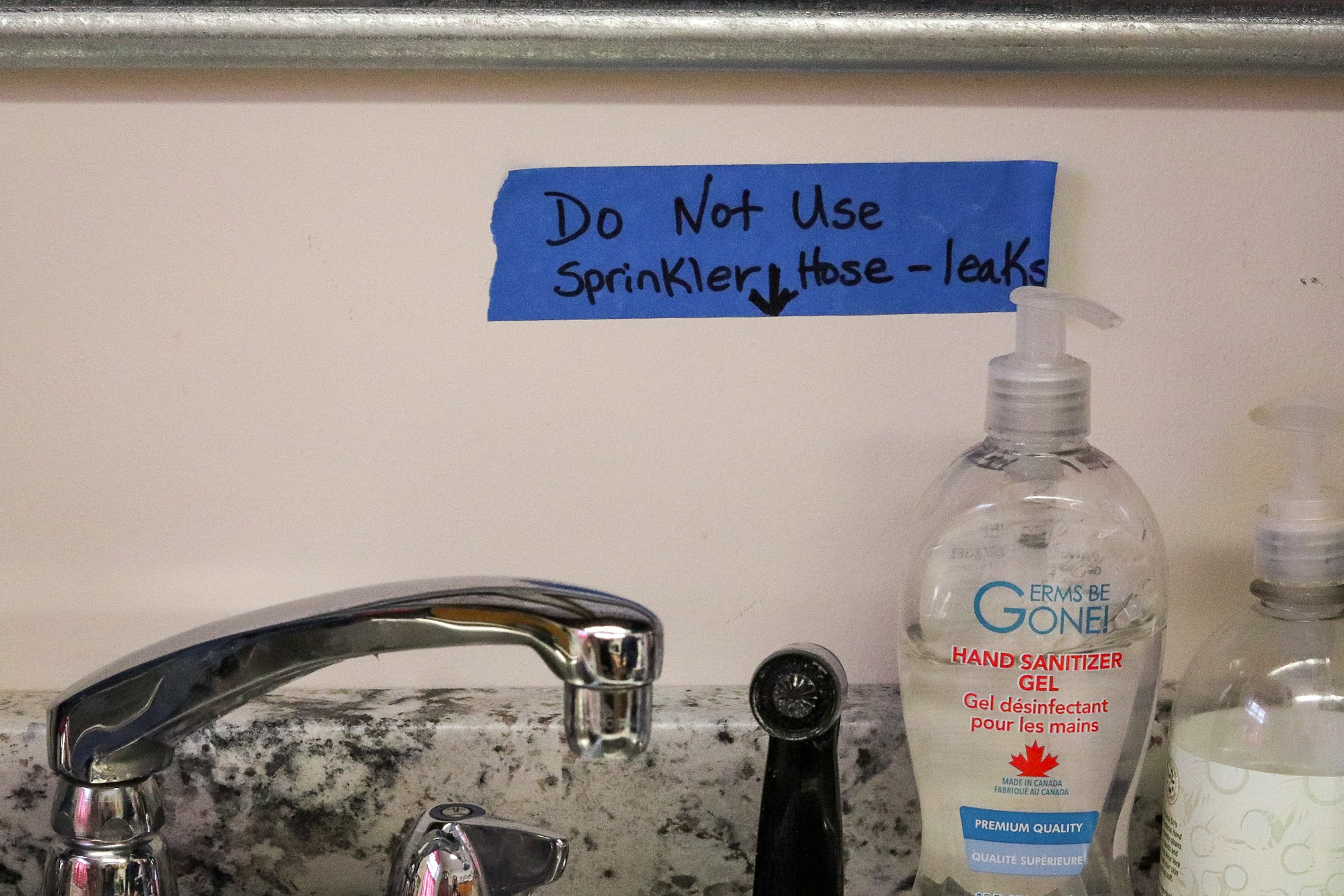
According to Roberge, when washing by hand, the water does not get warm enough to fully wash dishes. Furthermore, recently, the spray hose on the sink began leaking.
“We had another ‘water incident’ with the spray hose on the sink leaking into the cabinet below the sink,” said Roberge.

Unpacking into those very cabinets has been challenging, as Roberge shared that the drawers either have to be wiggled open or are decorative in nature and do not open at all. Roberge demonstrated this by opening a wobbly wooden drawer filled with the Centre’s many well-loved cooking tools.
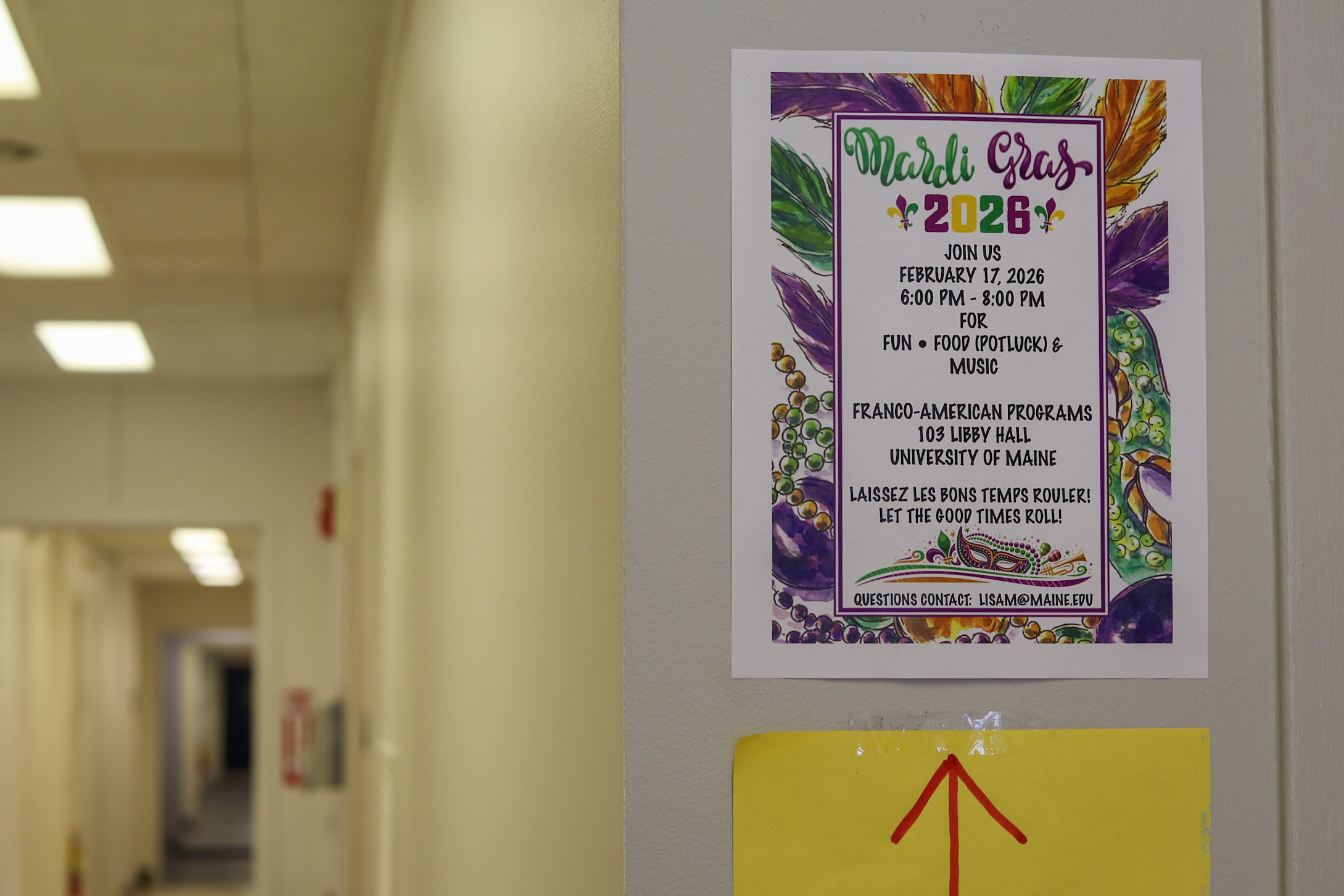
Despite these limitations in the kitchen, staff and volunteers were still bustling around the space, preparing for the Centre’s upcoming Mardi Gras Festival on Feb. 17, which traditionally included cooking a variety of dishes on the stovetop in Crossland Hall.

However, the oven was one of several appliances not installed in the temporary kitchen due fire codes in the building. In an effort to amend the situation, Roberge said the Centre bought several hot plates to cook on, but the lack of counter space and low-hanging overhead cabinets makes it difficult to prepare food in large quantities. Additionally, the two hot plates they have cannot be used until cookware that has a magnetic connection is purchased.
To remedy the issue, the Centre also purchased several crockpots to hold smaller batches cooked on the hot plates, though Roberge said the system remains untested and she is unsure whether it will work for upcoming events.
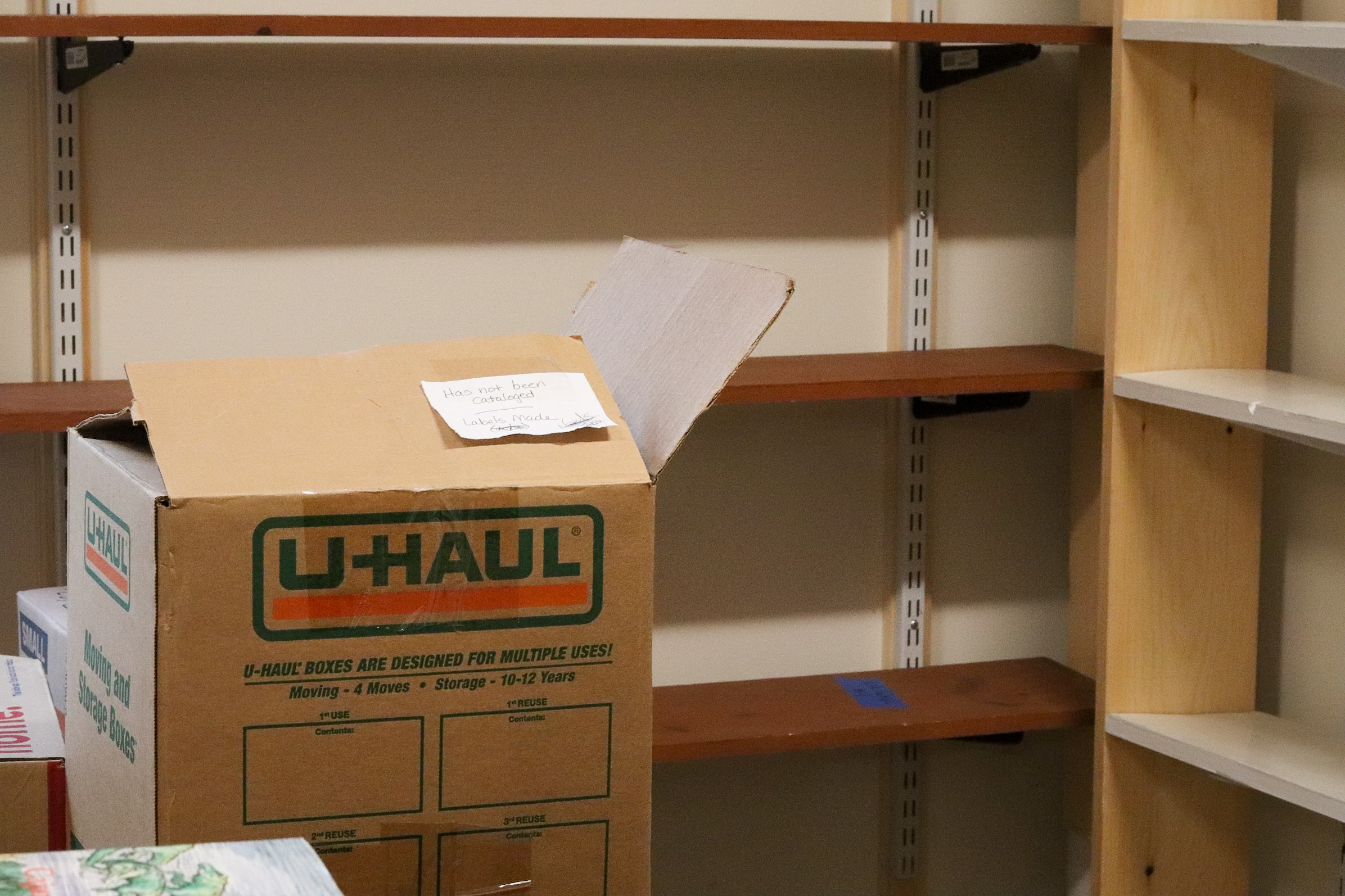
Walking away from the kitchen and into the common area, Roberge brought attention to the three small library rooms that would house the Centre’s Ringuette Collection, Franco Studies Collection and the Genealogy Room. Piles of boxes remained unpacked in these rooms, despite volunteers and staff doing a relatively thorough job setting up other rooms in the space. Roberge attributed the pile of remaining boxes to delays getting shelving ready.
“The library rooms are full of boxed books…shelves at Crossland were taken apart and delivered to Libby. Yesterday two men from the carpentry shop were there measuring and checking the situation over,” said Roberge. “We have had offers for help in unpacking them whenever the shelves are available.”

Roberge then turned attention to the bathrooms, which she said is an issue that had been raised prior to the Centre’s relocation.
“When the move came up, certain things were asked for at Libby. The biggest thing was the bathrooms,” said Roberge. Apparently, the height of the toilets in the designated handicap stall has proven to be an accessibility concern for older and handicapped community members.
“The so-called handicap toilets are too low; I am not handicapped (except for my age), but I can’t get myself up off them,” said Roberge. “They said it would be taken care of.”
Roberge said that the university confirmed the bathrooms will be converted to a unisex stall and fitted with locks. While this change does address minor privacy concerns raised, she said it does not address the central issue of the toilets being too low. She added that while the stall includes grab bars, their placement is too high to be useful.
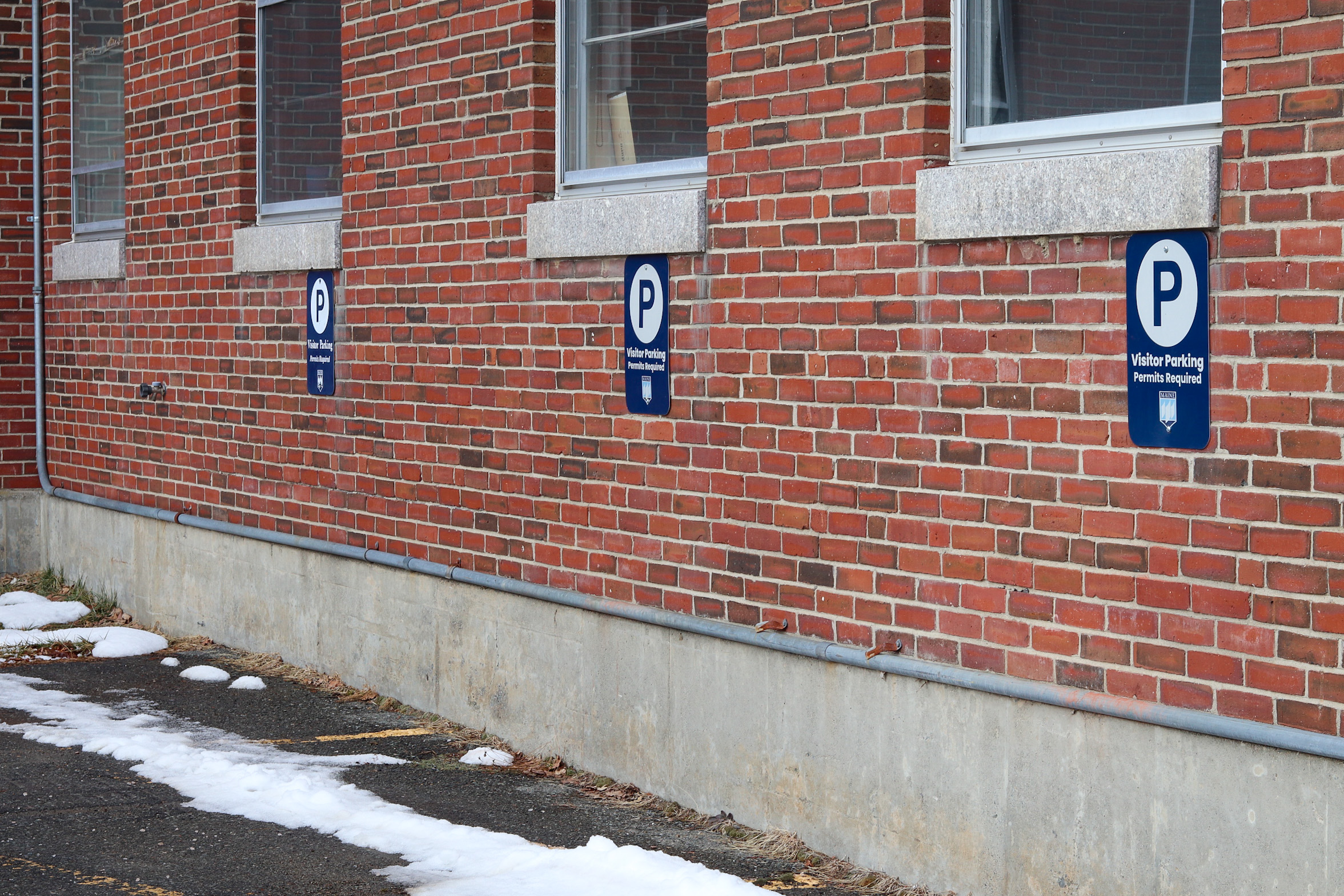
The last concern Roberge raised was the parking situation outside the hall, which she admits is a problem “universal to the campus” but has proven especially difficult for older members of the Centre.
Roberge described relying on one of three reserved spaces that was at one point taken by another vehicle, leaving her unsure where to park and “afraid to park illegally and get a ticket.”
The process of guests receiving visitor parking passes has also become more complicated since the move from Crossland Hall. Roberge said that at Crossland, visitor parking passes were provided for visiting groups, but issues arose when trying to secure similar passes at Libby. She and others were only able to secure these needed passes after several conversations with Parking Services.
With the BoT requiring biannual updates on the transition to ESL building, questions remain about how accessibility and space limitations will be resolved prior to the move in 2027. Until then, the Centre will continue operating out of its temporary space in Libby Hall, as the demolition of Crossland Hall proceeds this week.
Update: UMS Chief External and Governmental Affairs Officer Samantha Warren told the Maine Campus following publication that a cooking stove has been ordered for Libby Hall and is currently in the mail.