On June 23, the NCAA adopted a new age-based eligibility model for Division I and II athletes that went into effect for the 2026-27 school year. This change creates a clear set of rules regarding student-athletes being able to compete for five years.
In previous years, student-athletes were only allowed to play four seasons in a five-year window. That being said, there were multiple exceptions that would allow a student to compete for a fifth year, such as being injured for a season or not stepping on the field. The new rule allows all Division I athletes to compete for five seasons in a five-year window regardless of the circumstances.
The five-year timer will start either when an athlete graduates high school or turns 19. For students currently enrolled, they can work with their school to decide which model will be best for them, the old or new. Students enrolling in fall 2027 will only have the new model. For students who finished their last season in the 2025-26 school year, they will not have the ability to play a fifth year.
The latter rule has caused a lot of contention from the high school graduating class of 2022, who lost their eligibility under the old rule. If allowed to compete under the new rule, they could play another year.
Due to the decision to not allow outgoing seniors a fifth year, there have been multiple lawsuits. The first was a federal lawsuit which — according to an ESPN article written by Dan Murphy — was led by fourth-year Northern Colorado basketball player Brock Wisne. Despite his argument that by preventing him from playing a fifth year the NCAA was violating antitrust laws, the case would not go his way.
On Aug. 21, the Tenth Circuit Court of Appeals granted the NCAA a stay, an order which allows the new eligibility rule to go into effect the way the NCAA intended. This order does not erase all the athletes who have, “successfully petitioned for restraining orders to play a fifth season in state courts around the country.”
Murphy also stated, “The appeals court decision could spark more lawsuits, restraining order requests and confusion.”
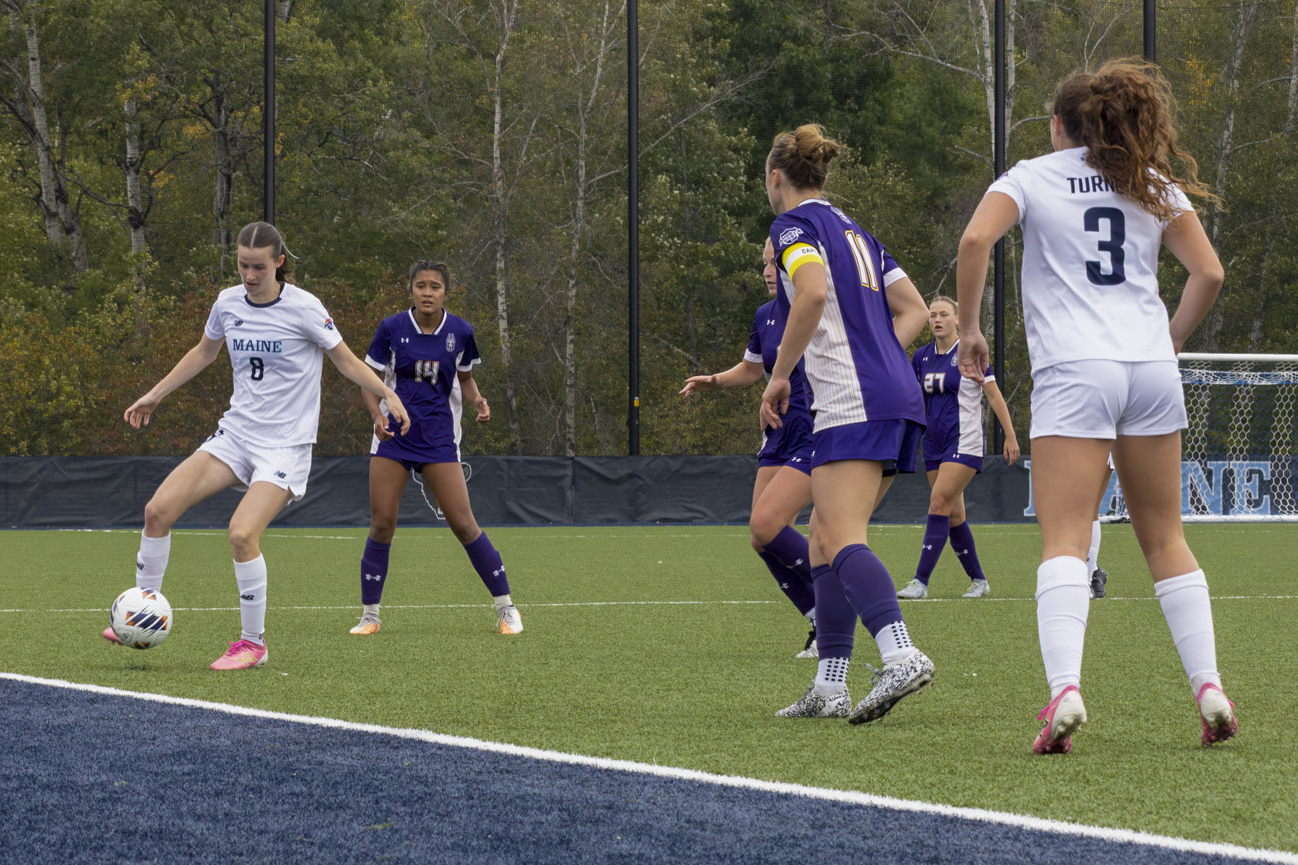
This is certainly the case, as there are currently multiple ongoing lawsuits with more and more players continuing to join. Despite the contention, the new rule has had positive impacts on current players, like the University of Maine’s Luise Reinwald, a fourth-year midfielder for UMaine’s soccer team.
“Before I heard about the new rule, I was set on going home to Germany to get my master’s degree,” said Reinwald. “However, the new fifth-year eligibility rule has opened up so many new opportunities for me to use my fifth year and potentially complete my master’s degree in the U.S.”