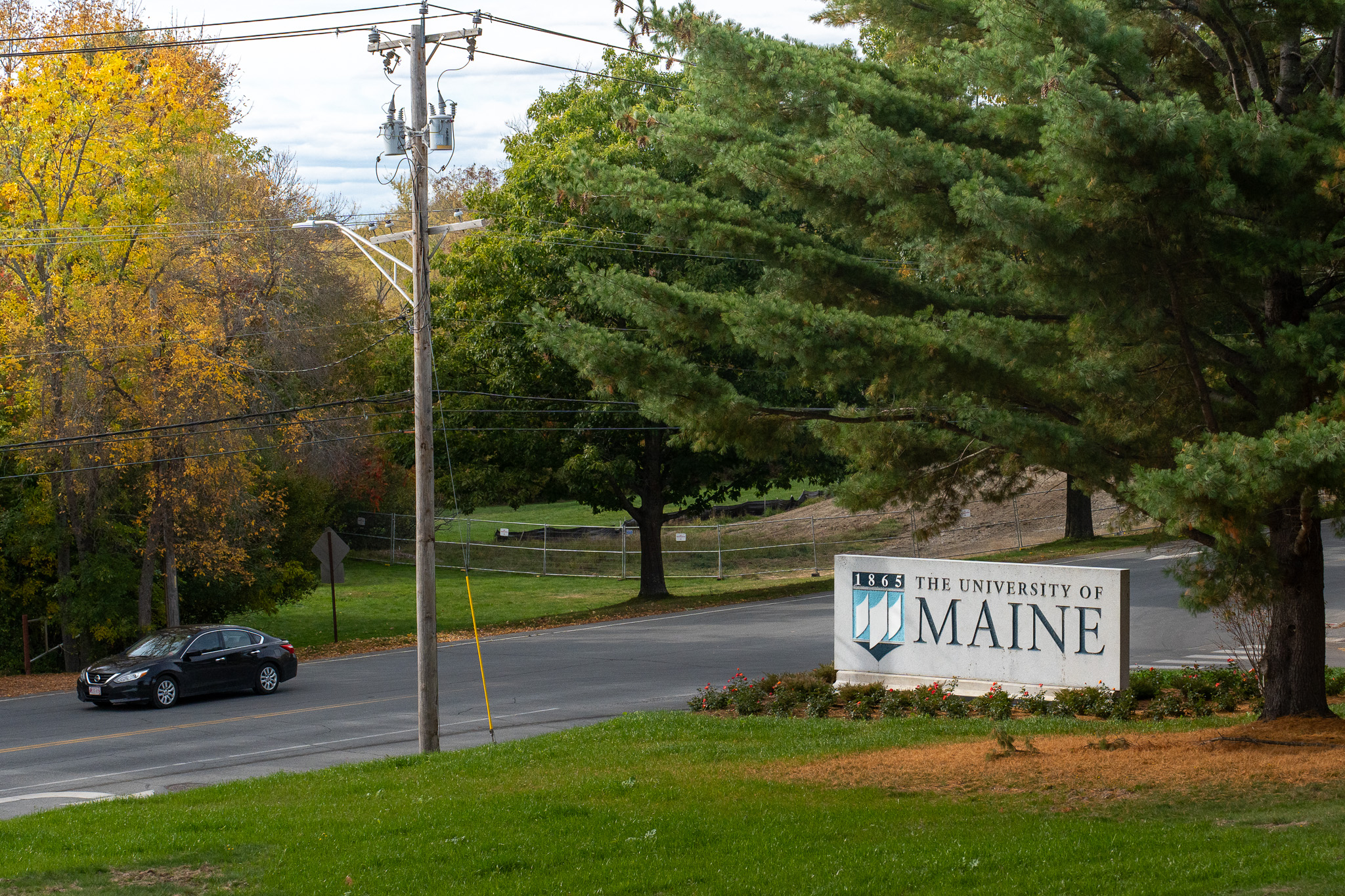
OPINION: The University of Maine is facing a projected $19 million structural budget gap, and faculty retrenchments and staff layoffs are expected to be part of the university’s response.
What does this mean for us students?
In their Sept. 17 letter to faculty and staff, the Office of the President said that operating costs have grown faster than appropriations and tuition revenue. The letter also discussed enrollment pressures, changes in federal funding, financial aid and international student enrollment, as well as the costs associated with addressing deferred maintenance. These are the main ways our university’s budget deficit got to $19 million.
A faculty position is a professor who teaches a class. A staff position can be an academic adviser, an administrator, someone who supports student organizations or a person who keeps a campus service running. When those positions disappear, students experience the consequences. The university still has yet to announce the number of faculty or staff positions that will ultimately be eliminated, nor has it determined when the affected employees will receive notice.
That uncertainty is why students deserve more information.
UMaine has said it will continue developing the FY28 budget through the fall, submit a draft to the University of Maine System (UMS) in January and hold a budget town hall in October. Students should show up.
Most of us don’t need to understand every line of a university budget, but we do need to understand that we are directly affected by the decisions being made. Students pay tuition. We choose where to live, what program to study and where to spend four or more years of our lives based partly on what a university promises to provide.
If the university is considering closing programs, changing course availability or reducing personnel, students deserve to understand how those decisions will affect the education we are paying for. We deserve transparency.
Students should be asking what assumptions produced the projected deficit. We should be asking how different areas of the university will be evaluated. We should be asking what criteria will determine whether a program is considered underenrolled. We should be asking what alternatives were considered before positions are eliminated. Most importantly, we should be asking how the university plans to protect the quality of a student’s education while reducing its workforce. A university is made up of people. That support is part of what we’re paying for.
As UMaine moves toward its FY28 budget, students should not have to wait until a class disappears from their schedule or a familiar professor is suddenly gone to find out what the university’s financial decisions mean for them. The $19 million figure may be the headline, but for students the most important part is what comes after it. We deserve to know what comes next.