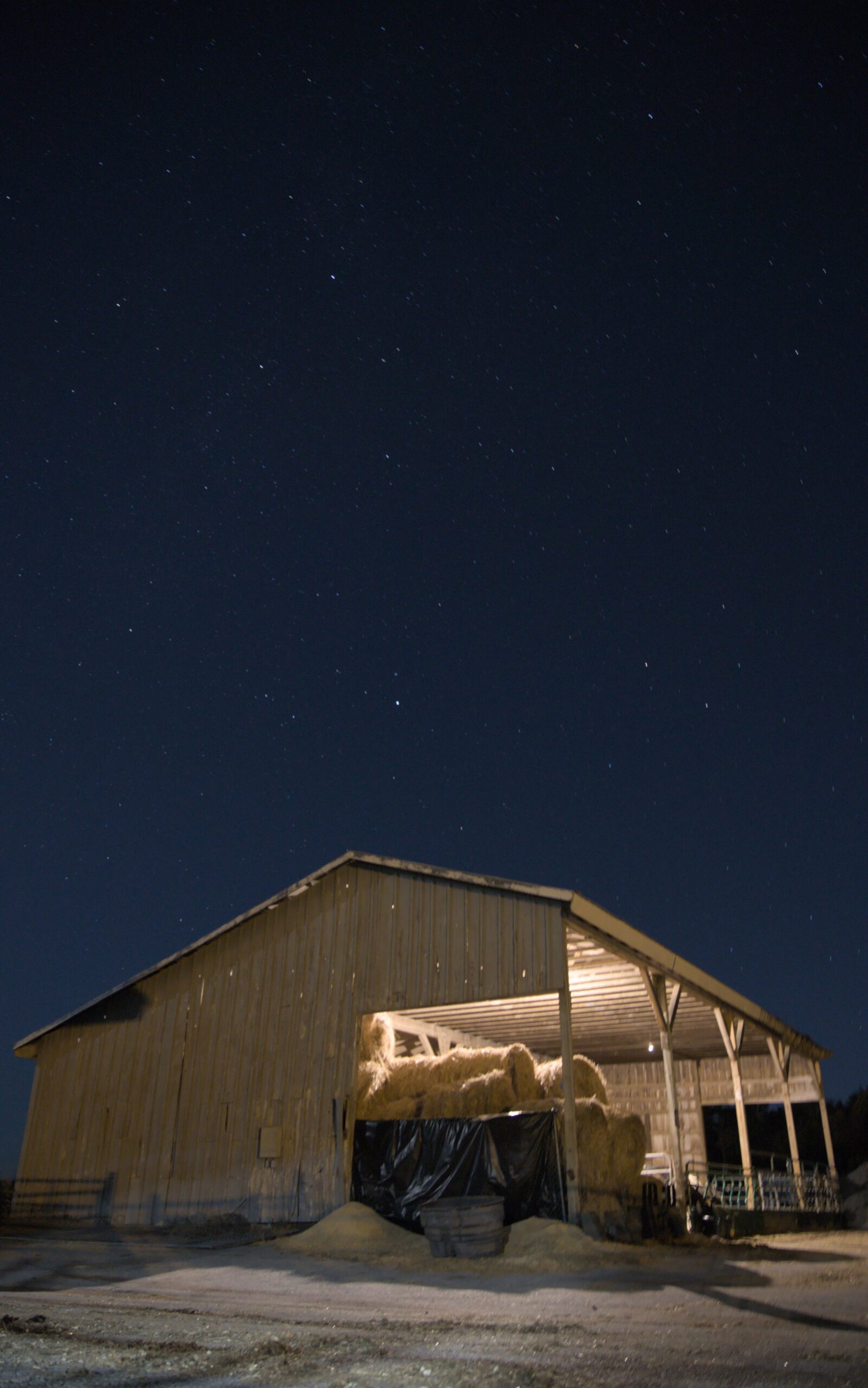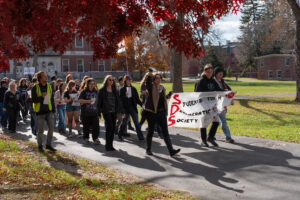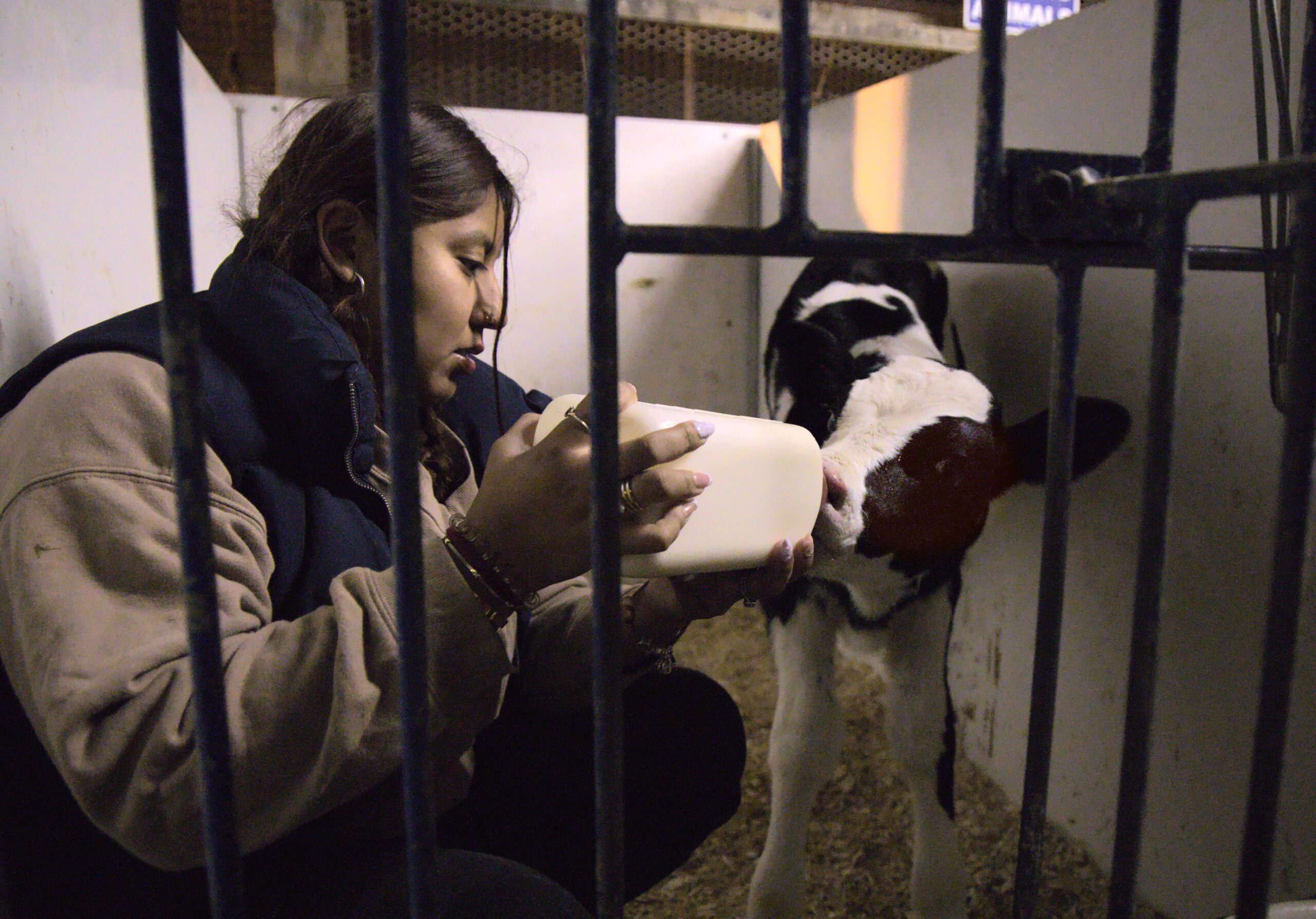
The students get to work at 6 a.m. and leave at 10:30 p.m. or later. They are there for the birth, life and death of the animals they take care of. These students work on Witter Farm, also called the J. Franklin Witter Teaching & Research Center, located only a five-minute drive from campus.
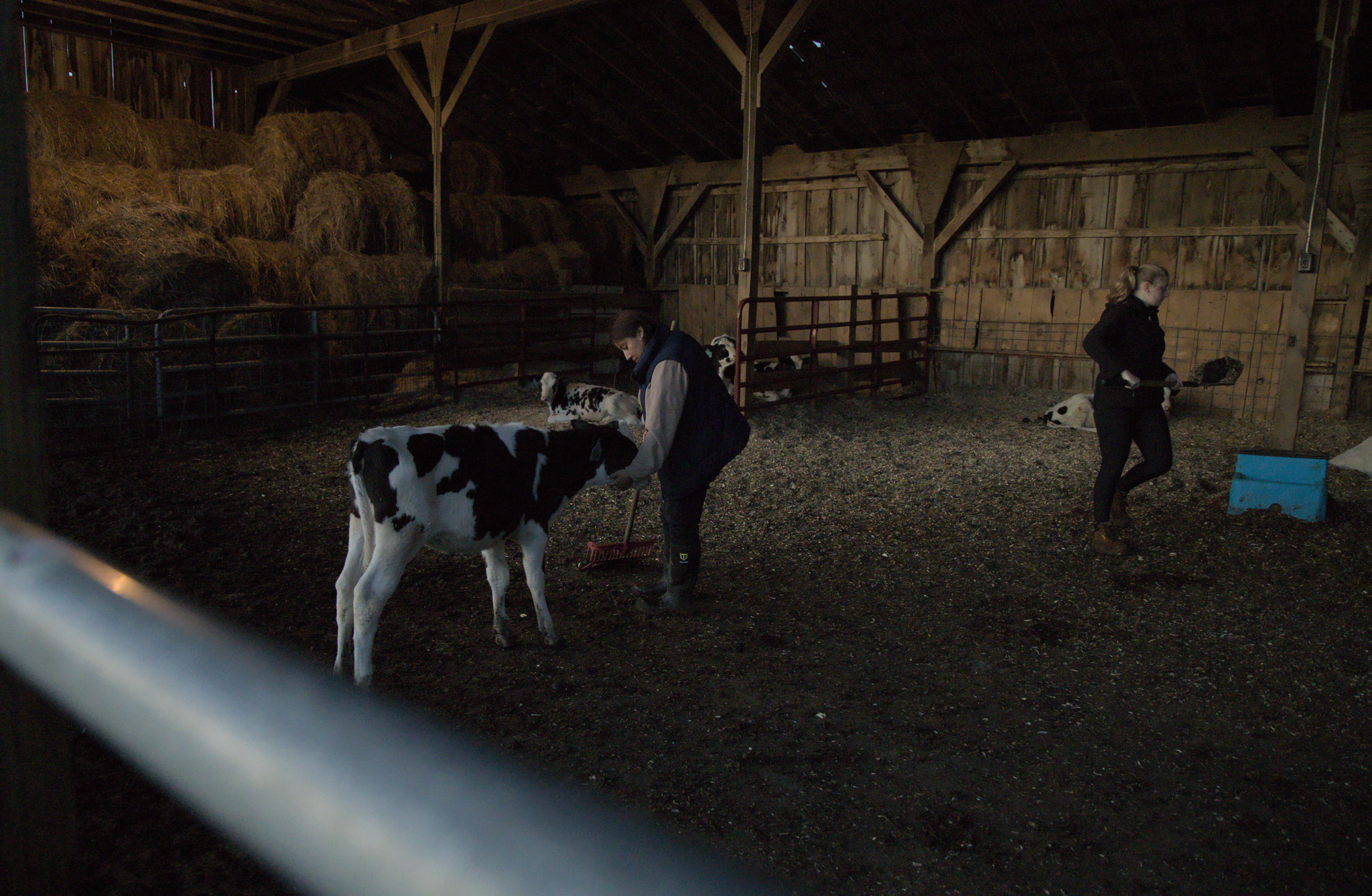
As part of their classes, animal and veterinary science (AVS) students work on Witter Farm, in Old Town, Maine. Though it is a part of their education, Rose Arsenault, a second year AVS student, describes the farm chores as being “More of an unpaid internship than a class.” Despite this, these students know that the skills they learn here will be essential, as they learn how to take care of the cows and manage their health.
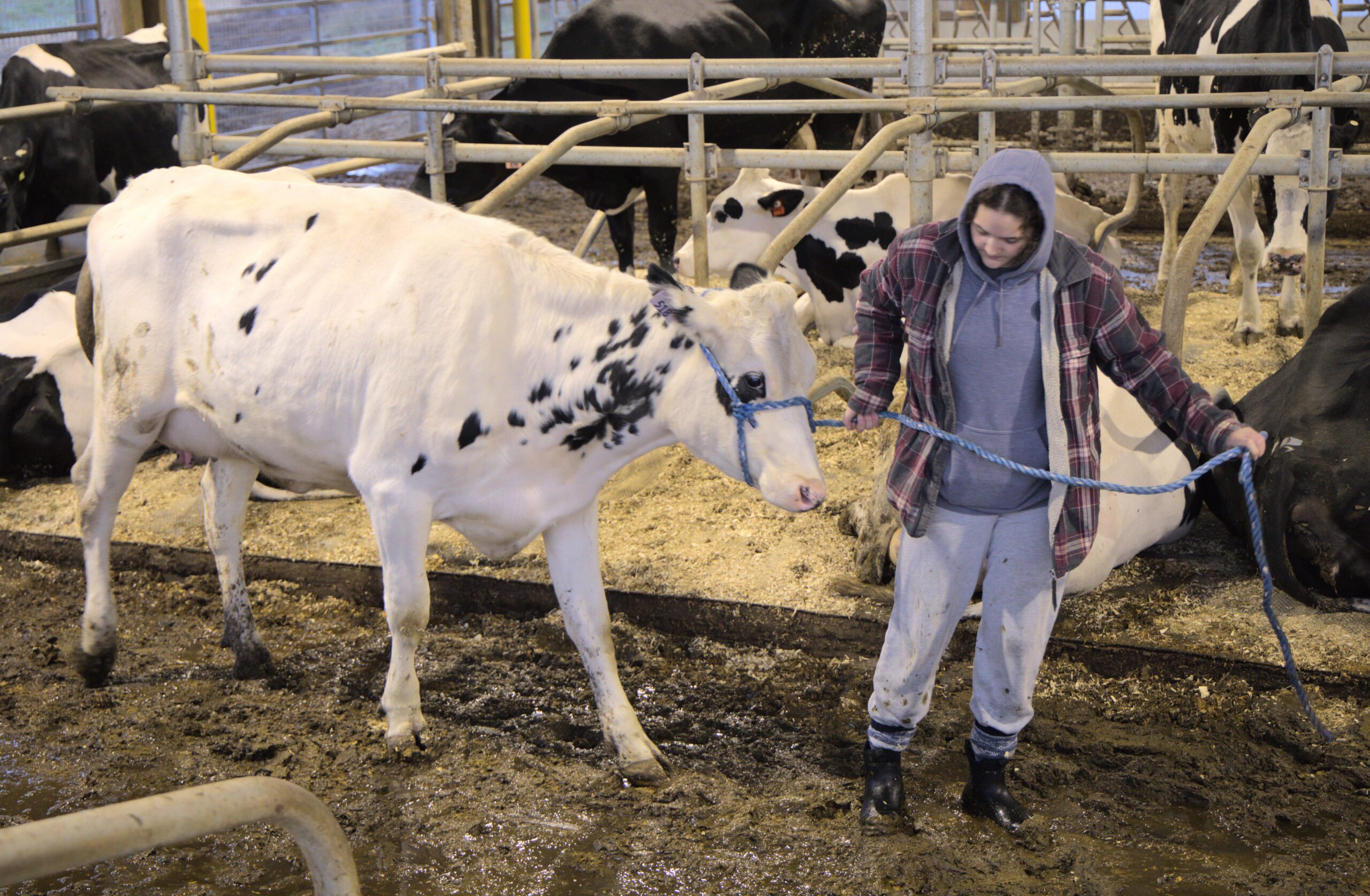
The schedule can be grueling. There are four shifts throughout the day: “AM chores,” which start at 6 a.m.; “Noon Check,” which starts at 11 a.m.; “PM chores,” which start at 4 p.m.; and “Night Check,” which starts at 10 p.m. Students are often awake by 5 a.m. to get ready, and those who work late can be there until 11 p.m. or later. Their schedules are built around their other classes, which can lead to a lot of early morning and late-night shifts. This is the case for Briana Alves, a second-year AVS student who said she works an average of two to three shifts a week, mostly consisting of “AM chores” and “Night Check.”
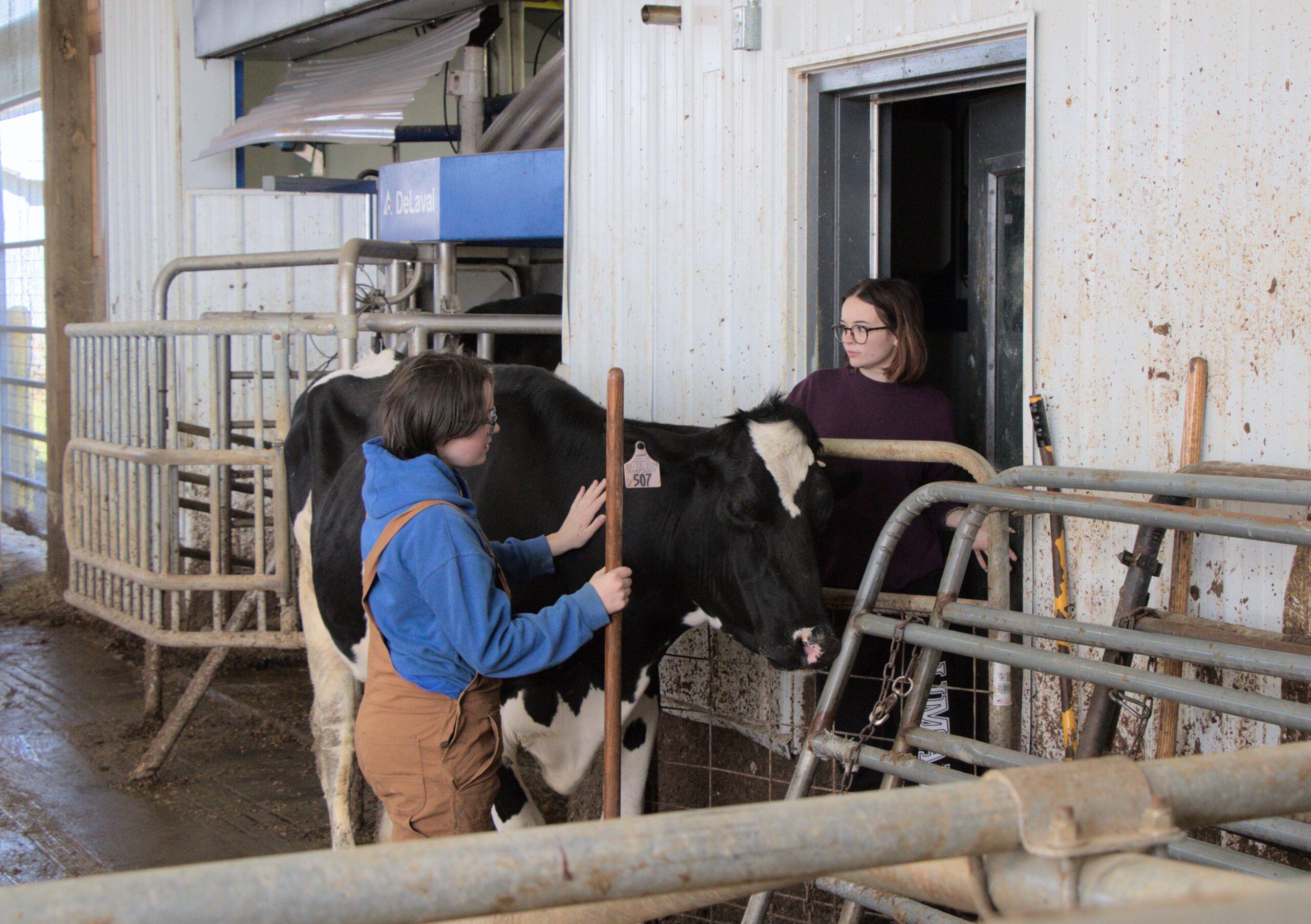
The job can frequently be taxing, both mentally and physically. Emma Carlsen, a third-year AVS student, said “I really don’t like being here when it’s cold.” The weather on the farm is a common complaint among students, who have to be there in the cold and heat, rain and shine. The students also have to deal with the reality of farm life. Alves stated that one of the hardest things for her was losing Wynonna, a 3-year-old cow, who died following an accident involving another cow.
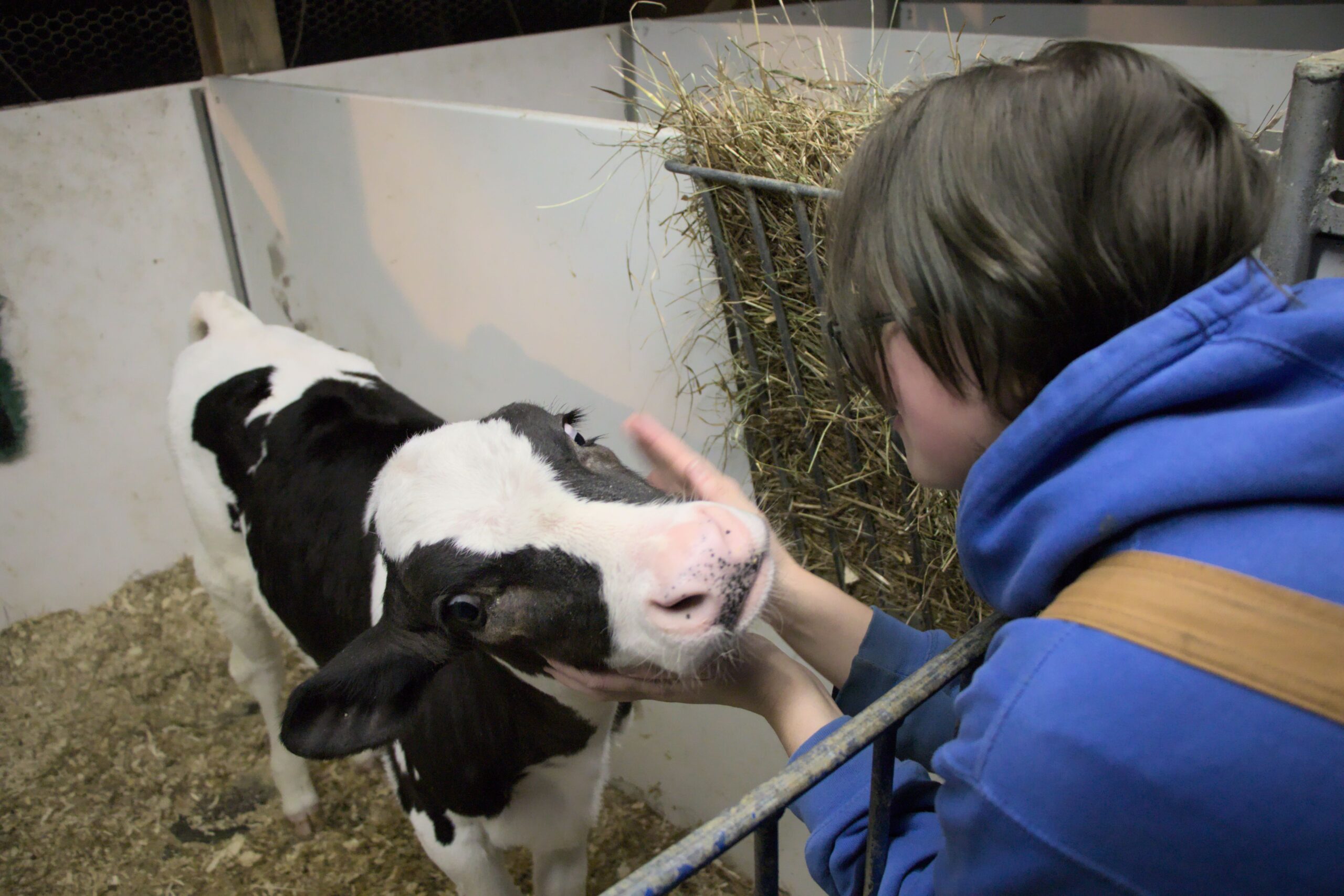
However, farm work is not all bad. The students become quite attached to the cows, with Alves saying that her favorite part of the job is getting to cuddle the cows, and Carlsen stating that “I just love interacting with the animals; I love learning their little quirks.” Their attachment to the cows can make the work emotionally taxing, particularly as they care for their favorite calves through birth, life and death. But still they persevere. Day and night, rain and shine, in sickness and in health, the students of Witter will be there.